Tag Archives: Obsidian Portal
Obsidian Portal Campaign of the Month January 2025: Mass Effect: Spectre’s Angels

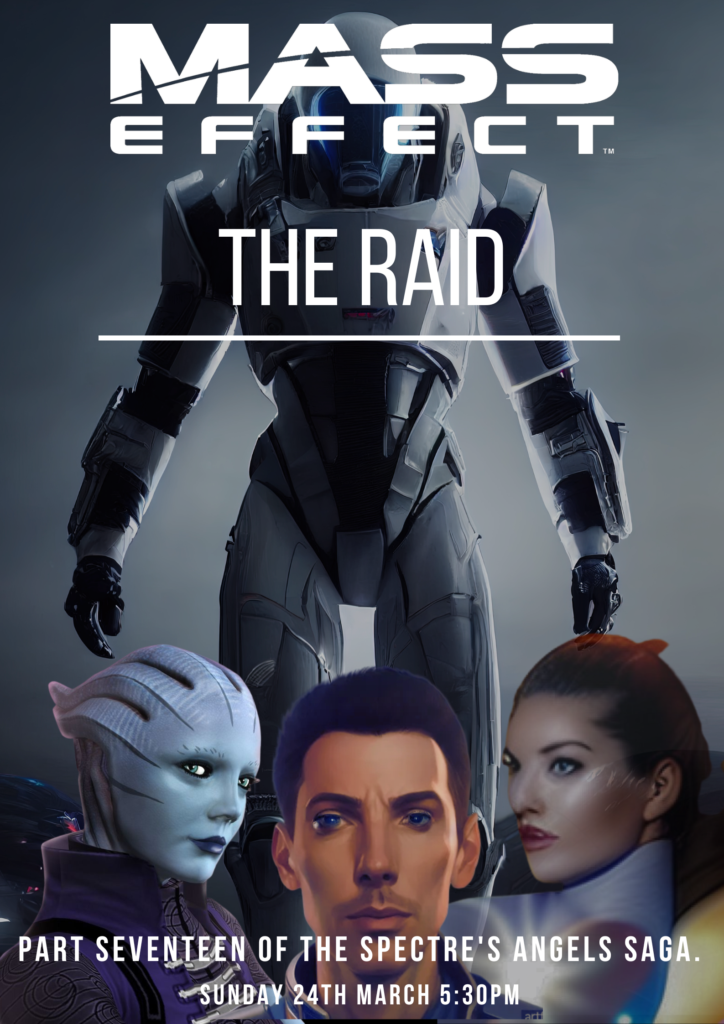
A group of galactic super spies travel the known universe, using a manipulation of ‘dark energy’ to enable faster than light travel. Follow them on their travels as they discover strange races on even stranger worlds in the year 2178 when you step on to the ship of GM Optimusnorm and his team, in their Traveller campaign, “Mass Effect: Spectre’s Angels“.
First off, feel free to tell us about the person behind the GM screen. Where are you from? What do you do aside from gaming? Alter Egos? Life partners? Family? Where can we interact with you on the internet?
I’m a Brit living in Dubai, UAE, where I work as an Investment Advisor, helping clients around the world manage and grow their wealth—whether through stocks, property, fine art, wine, or whisky. Outside of work, I’m a husband, father to two children, and a passionate gamer. I also enjoy camping and socialising, especially connecting with like-minded people. I’m proud to be a co-founder of the Gulf Roleplaying Community, a group we created to bring together roleplayers across the Arabian Gulf and the Middle East, offering a space for enthusiasts to connect and share their love for rolling dice around the table. I have been roleplaying since the late 1980s – I think my first RPG was Warhammer Fantasy RPG second edition.
You are running a Traveller space scenario, but before we get into further details, please explain in a nutshell the “Mass Effect”. What is it? What is its significance to the campaign?
“Mass Effect is a military science fiction franchise, best known for its critically acclaimed video game series. In the game’s universe, the term ‘Mass Effect’ refers to a scientific phenomenon based on the manipulation of a universal force called ‘dark energy.’ This technology underpins the series’ interstellar civilisation, enabling faster-than-light (FTL) travel, advanced weaponry, and biotic powers.
My campaign is a Mongoose Traveller 2nd Ed conversion set in this, universe, combining the franchise’s lore with the unique Traveller system, which is really the granddaddy of sci-fi RPGs
How long has your campaign been running and what made you choose Traveller as your gaming system?
The campaign ran for just over a year and is currently on hiatus while we explore other sci-fi projects (I am definitely more of a sci-fi than fantasy fan). Traveller was always my first choice for this setting because of its excellent character creation system, simple and flexible mechanics, and the inspiration I drew from other gamers who had successfully adapted a previous version of Traveller to the Mass Effect universe.
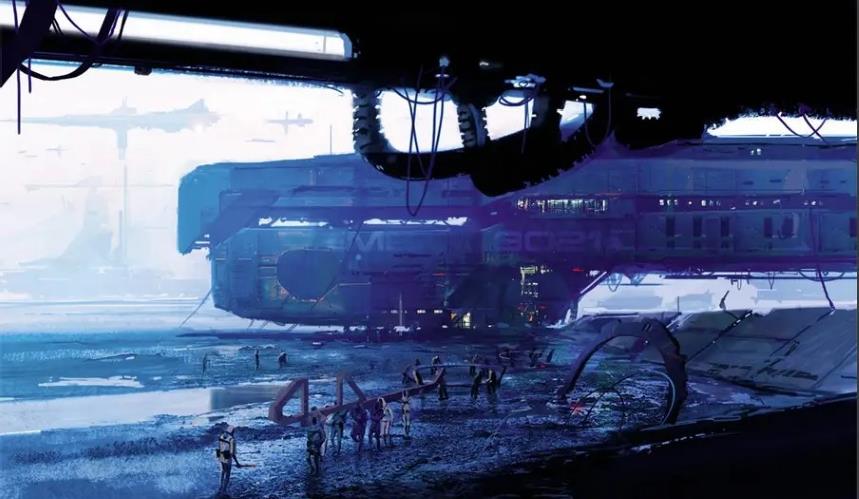
Your WIKI starts out by detailing Mongoose 2nd Edition Rules Conversions. How much work did this involve and what tips would you give to those enterprising GameMasters on Obsidian Portal who might be thinking of converting a Rule System to meet their personal needs.
This project has been a significant undertaking, but much of the groundwork was laid by fellow Obsidian Portal user Jacobkosh, who ran a Mass Effect Traveller conversion about a decade ago and generously shared his notes with me. I adapted those notes to the Mongoose Publishing 2nd Edition rules, and as a group, we’ve been tweaking, adding, and refining elements throughout the campaign. It’s truly been a labour of love. For anyone looking to attempt something similar, I’d recommend starting with the core rules and finding an understanding group of players who are willing to collaborate and help the game evolve through actual play.
You currently seem to have three active players listed. It is presumed they form the basis of the group, “Spectre’s Angels”. Tell us about this group and their place in the universe. And what about the people who play the characters? How often do you meet and how do you all interact?
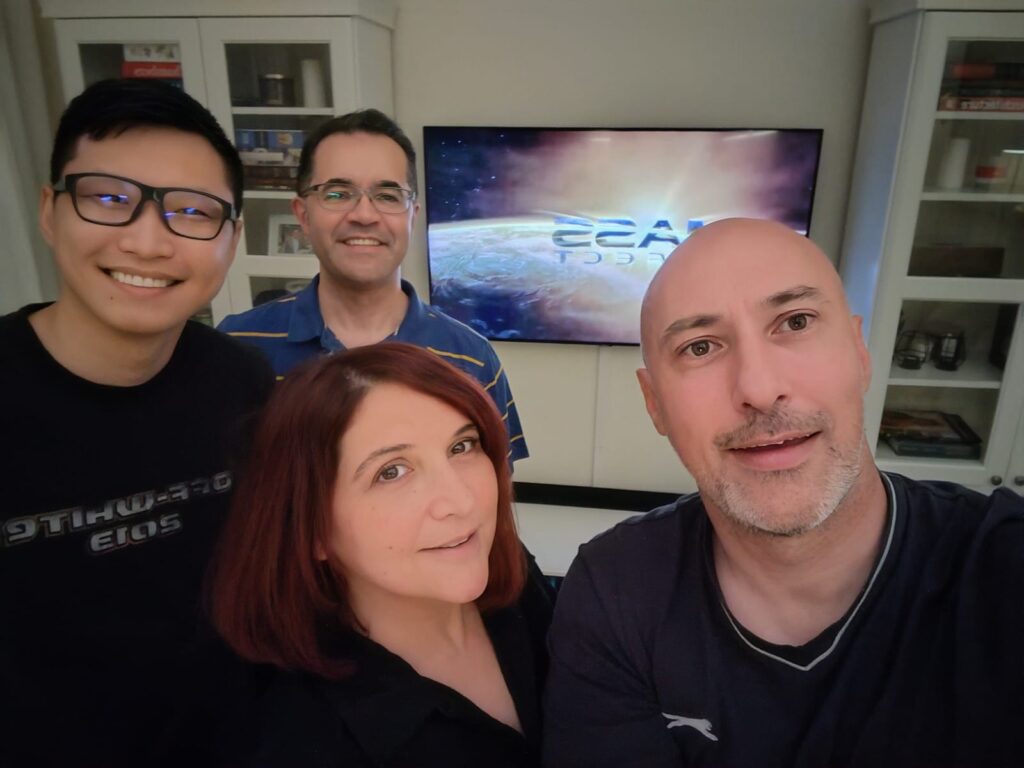
Living in Dubai means we have a REALLY diverse group of players. Our current roster includes another Brit, his Lebanese wife, and a Russian. We also had a Filipino gent with us but he had to move away and couldn’t make sessions anymore. The transient nature of expat life often means people move on when they change jobs or relocate. As I only game in-person this means we sometimes gain and lose players.
The concept behind ‘Spectre’s Angels’ was inspired by the Spectres in the Mass Effect universe—elite agents with broad authority, akin to super spies. In our campaign, the group operates under a Spectre, much like Charlie’s Angels (hence we called it Spectre’s Angels!). The PCs themselves are a disparate crew with individual agendas but share a common goal: to pay off the debts on their ship and ultimately gain full independence.
We played every two weeks on average but again, the nature of expat life meant people go home for the summer, travel for work, head back for Christmas holidays etc so sometimes a month or more would go by between sessions.
How much of your gaming time is spent on space travel as opposed to action on various worlds? Feel free to give us a brief overview of the type of scenario your characters could normally expect during your campaign.
Space travel is usually quick in our games, unless the adventure itself takes place on a ship en route to somewhere. Most of the time, it’s about getting to a world, space station, or other location and jumping straight into the action. We tend to enjoy a mix of 50-75% investigation and interaction, with 25-50% combat.
One session turned into an epic bar crawl across a massive space station as the group hunted for a missing person, discovering weird cocktails and shady establishments along the way! Some sessions focus more on combat, but overall, the group isn’t too combat-heavy.
Did you build the Campaign yourself? While building your campaign, what tools did you find useful? Do any of your players get involved in the Campaign design?
I always build my campaigns from scratch, starting with a session zero where the players come together to create their characters. This gives them a chance to develop interlinked agendas and backstories, which I then use as inspiration and fuel for shaping the campaign. It’s a great way to make sure the story feels connected to the characters and their goals. I don’t really use any specific tools except Obsidian Portal and my digital notes.

Without divulging any major plots, what is your plan for the future of Spectre’s Angels?
The game ran just before the events of the Mass Effect 1 PC game. The future will likely be in parallel to the events of that first game, bringing in themes and plots that relate to the main story.
Having been a member of Obsidian Portal for over ten years, what would you say are the most useful benefits for you as both a Campaign Designer and as a person running a campaign?
Having one central place for both me and the players to refer to is invaluable. With the expat lifestyle sometimes causing long gaps between sessions, it’s great to have everything in one spot to refresh our memories and keep building on the campaign whenever we’re ready.
For me as a GM, it’s also a great way to gauge player engagement. Those who aren’t really into the game tend not to update their characters and get involved in the Portal, which helps me figure out if we’re a good fit to keep gaming together.
Are there any specific adventures you have had that stand out in your memory as being particularly fun for you and your players? Feel free to add any pictures or links.
We really had fun with a Casino heist scenario where the PCs managed to stumble through every step and succeed in the least subtle way imaginable! There’s been a number of ‘bumbling successes’ around the galaxy – often in clubs and bars!
Okay, as a last question, we always ask for the GM’s “pearls of wisdom”. What GM insights can you offer the community this month?
At its heart, gaming is all about the people. Every gamer is different, and as GMs and players, we all bring our own expectations and standards to the table. One of the most important lessons I’ve learned is that having the right group makes all the difference. A group with committed people who are truly present can thrive even with an unfamiliar system or an improvised adventure, while a mismatched group will struggle—even with the perfect story and a deep understanding of the rules.
Focus on building a group that clicks, and the rest will fall into place.
Thank you to the community for making this campaign of the month possible! That’s all for now, join us on our next adventure February 2nd, and don’t forget to nominate your favorite campaigns for our next Campaign of the Month!
OBSIDIAN PORTAL CAMPAIGN OF THE YEAR 2024- WINNER’S ANNOUNCED!!!!!

A HUGE CONGRATULATIONS TO OUR WINNERS!
FIRST PRIZE:
KERYTH987 WITH WRATH OF THE HIGHBORNE!!!
RUNNER UP: HUMANNOYD with CYBERPUNK 2077:FATE ACCELERATED!
(winners will be contacted by OP staff to connect you with your prizes)
It’s about that time again- time to celebrate some of the very best of our OP Community! 11 great RPG sites, each awarded the prestigious “OBSIDIAN PORTAL CAMPAIGN OF THE MONTH” award in 2024, stand in line to be considered for the OBSIDIAN PORTAL CAMPAIGN OF THE YEAR 2024! And YOU get to decide!
THE DETAILS:
Voting will open Monday December 2nd, is open to ALL, and will close Monday December 9th. The winner will be announced on Friday December 13th. Check Obsidian Portal, Facebook and Twitter for further details.
THE CONTENDERS:
January 2024: More Things in Heaven and Earth
February 2024: Cyberpunk 2077 Fate Accelerated
March 2024: Wrath of the Highborn
April 2024: Season of Strife
May 2024: The World of Elurah
June 2024: The Planewalker’s Guild
July 2024: Ars Magica, Umbra Quercus Saga
August 2024: Freeing Phandalin
September 2024: Echo of The Mists
October 2024: Aloft!
November 2024: Dark Conflagration
THE PRIZES:
This year we have some AMAZING sponsors including Paizo, Killjester, Crit Academy and Syrinscape!
1st Place
- 1 year subscription to OP
- Paizo: Digital copies of Pathfinder Second Edition and Starfinder First Edition Beginner Box PDFs as well as a PDF of Abomination Vaults (Pathfinder Second Edition or Dungeons and Dragons 5th Edition, winner’s preference)
- Killjester: A physical Copy of Sanctimonious Slimes vs Expired Epicures
- Crit Academy: Digital Copy of Memorable Monsters
- Syrinscape: A subscription (Supersyrin trial vouchers, each for two months x 2)
Runner Up
- 1 year subscription to OP
- Killjester: A physical Copy of Sanctimonious Slimes vs Expired Epicures
- Syrinscape: Syrinscape: A subscription (Supersyrin trial voucher, for two months)
Obsidian Portal Campaign of the Month November 2024: Dark Conflagration

“In a system on the Terra side of the Great Rift this group in service to an Inquisitor must prove their worth through grit and valor to hold back the closing despair. Join them as you pour through this restricted Inquisitorial system and read along with their adventures in their own words.” Please join us in this month’s interview for COTM Dark Conflagration with our GM Medacia and Kenkewl00!

Tell us a little about the people behind the logs. What’s your group like, how did you all start playing together, and what drew you to Warhammer?
We have a group of 3 full time players, one part time player, and the GM. All of the players are lifelong TTRPG players from various professional backgrounds like healthcare, finance, baking, and theater. The GM tailored a short list of concepts for each player and let them choose their favorite. You can see the flavor of the character and the style of the author in each entry into the Inquisitorial Journal System.
The group has been going with varying members for over 8 years, starting with a long-running Vampire the Masquerade game. A few of us got into (or back into) WH40k about a few years ago when they came out with the box sets for pre-built armies, and enjoy the more miniature-focused gameplay.
Warhammer 40K’s atmosphere of hopelessness populated with great acts of heroism is what drew the GM to the system. The grind of ten millennia of slow collapse and bureaucracy combined with the terror of the events surrounding the Great Rift create a need for sacrifice and courage to fight back the encroaching darkness.
How often do you play, and how do you generally do so (online, in-person, hybrid)?
In-Person, once every 2 weeks is the schedule. Occasionally we’ll miss a scheduled session due to real-world obligations or add a session in-between when we can.
For folks that are perhaps less familiar with the world of 40k, where does your game fit into the grim dark?
It’s set after the universe got split by the Great Rift as Cadia fell, in a GM-created star system on the Terra-side of the divide. It’s inspired from various events going on throughout the 40K universe in the early part of M42. The players are part of a small group in the service of an Inquisitor in the Consus System, near the Pariah Nexus.

I love the various art on your site, from Characters to Items, Adventure Logs to Wiki Pages. How do you create/source the artwork, and do you have a secret for keeping the feel so consistent across your whole site?
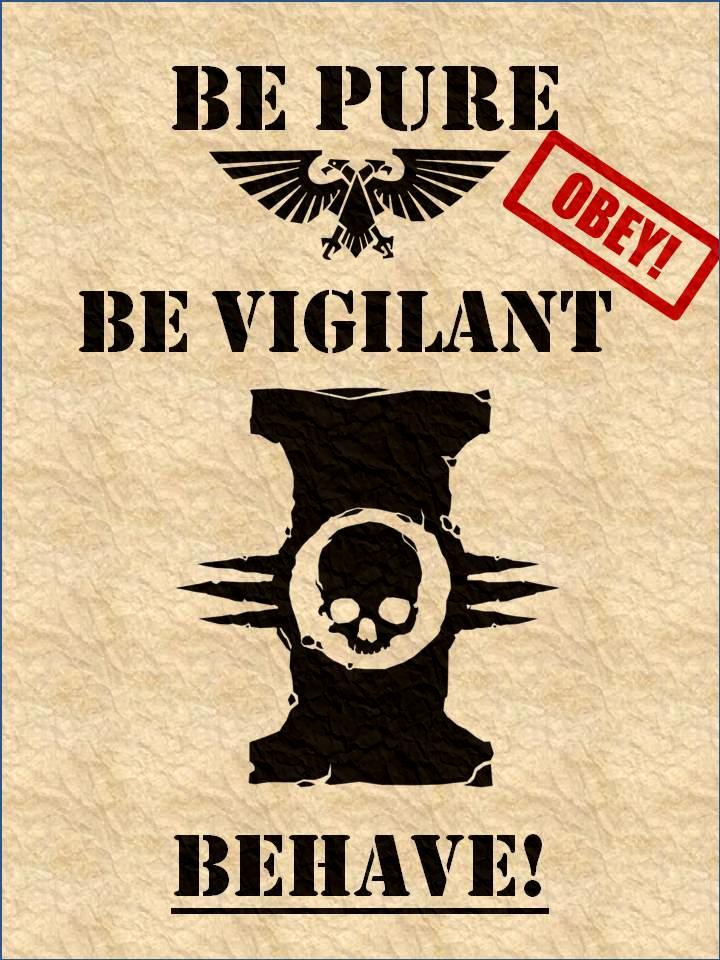
I chose a stylized realism for the overall theme. I sifted through many AI art sites and styles before settling on one that captured my look. I’ve used a lot of iterations of a single concept before settling on any image that makes its way to the site. As I learned more about how the AI responded to particular prompts I’ve been able to achieve my desired outcomes more efficiently. I’ve also tracked down specific pieces (like the propaganda posters) from existing art and included my favorites in entries or slideshows where appropriate. I’ve created or modified images and run it through a program that creates short videos for the cover page to create a more dynamic feel, hoping to give the viewer a more engaging experience like they’re breaking in to the Inquisitorial Journal System.
As you’ve been on Obsidian Portal for quite some time, what is your favorite campaign wrangling feature?
I have mostly used OP as a way to stay consistent as a GM – once its online, it’s easy to reference and I don’t have to deal with lost papers. I should probably use more of the functions truth be told. I like the session reminders, and the forum to post little things in-between sessions to keep players and fans engaged.
Swapping to your intense site for a moment, where did you come up with the style design you have?
I want to give the OP a more exciting feel than the standard campaign designs that I see. I want it to be an experience, and I want the players to sign in and make updates feeling like their characters journaling their horrifying experiences fighting the Chaos cultists. I also want fans to get excited to see the next update, to present a taste of how things would look in the collapsing world of 40K. I want them to feel like they’ve snuck into this secret archive and they’re watching the story evolve from afar. To inspire them to create their own star system, their own Inquisitorial warband and fight off the wickedness of a violent, indifferent universe.
I love your adventure logs, I see that one of your players is involved with them as well. How do you split that load?
Mendacia handles most of the details of the Logs – the game notes, the notable events/locations/people, that sort of thing. kenkewl00 gets involved by occasionally putting a placeholder Log in there for Mendacia to edit later, since one way to encourage player involvement we are utilizing is to give out in-game goodies (extra wrath tokens, given our system) for players to put notes from their characters perspective. kenkewl00, as a normally-GM type, tend to put more detailed notes than others, but the Ogryn puts a lot of time in to write the log in a low-int style since they are “in character journals”.
Back to your game, can you share an example of a particularly memorable moment from your campaign?
Lots of epic moments for a campaign that’s only six months old, plenty of acts of heroism and bloody conflict that I could reference here. However, I think the bright spots in this violent, grim saga are the personal exchanges between the Inquisition Pact members. The intro session for Roland (The Navis Imperialis Pilot) and Smasha (Militarum Ogryn) cemented their dynamic and it led to some great roleplaying. In the Calamitous Intent session this plays out with the Ogryn’s massive bulk and clumsiness enraging an entire bar full of patrons, effectively chasing him with torch and pitchfork. A few blocks of pursuit later the noble-born Pilot puts himself between the Ogryn and the crowd and has to use every trick up his sleeve (charm, bribery, his Navis uniform) to calm them. There’s a sense of obligation between Roland and Smasha, just the prior session Smasha had put himself between Roland and the blades and lasers of cultists.
Let’s round this out with one of our favorite questions for our featured GMs! If you had a secret sauce for running a great game, what would be the most important ingredients?
1. Don’t over-prepare. Set up the big detail points, but let the players choose how they get there. They’ll almost always surprise you.
2. When you’re getting started, don’t fall in love with your NPCs. Put out a large amount of them initially, and see which ones that players gravitate towards. I’ve had so many throwaway NPCs that wound up being central to the story because they meshed so well with the troupe.
3. Critical successes can lead to epic moments. So can critical failures. On both sides of the table! Make the most of these opportunities to engage the table and make memories.
Thank you to the community for making this campaign of the month possible! That’s all for now, join us on our next adventure November 1st, and don’t forget to nominate your favorite campaigns for our next Campaign of the Month!
Obsidian Portal Campaign of the Month September 2024: Echo of The Mists

Travel into this dark fantasy world – tune into the dedication of carefully crafted set up designs and story telling, by joining us in talking with shawnrstaub, the GM behind Echo of The Mists, the winner of our Campaign of the Month for September 2024!

First off, feel free to tell us about the person behind the GM screen. Where are you from? What do you do aside from gaming? Alter Egos? Life partners? Family?
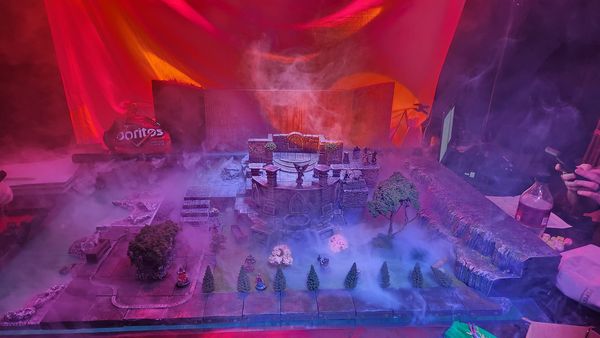
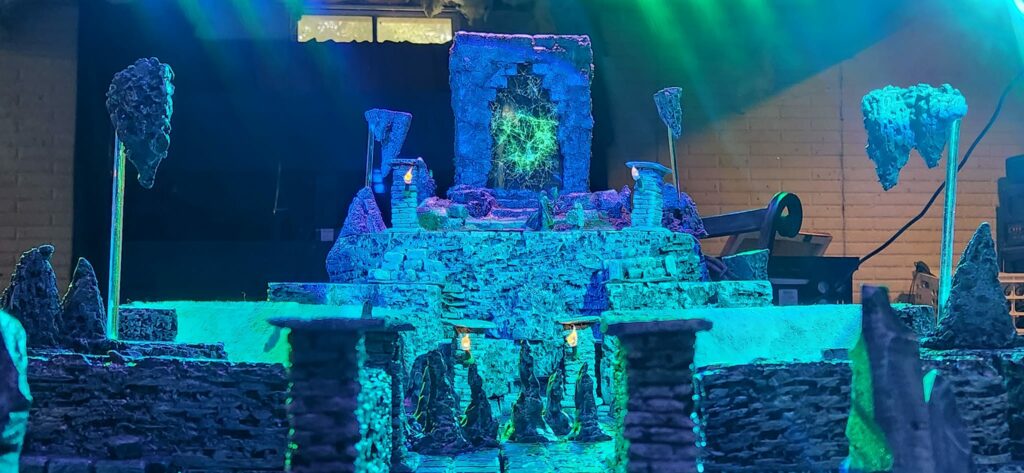
Answer: Where can we interact with you on the internet? I am originally from West Virginia until my wife and I moved to Maryland for work and to start our family. My wife teaches 2nd grade and I work as a branch manager at a bank. Before COVID, I played bass in a heavy metal band themed around the “Legend of Zelda” game series called “Master Sword,” touring around the country playing the nerdy convention circuits. I retired from that life after my oldest daughter was diagnosed with cancer, which I’m happy to report, she has made a full recovery and started 2nd grade today at the school my wife teaches. Now, I spend my free time with my family and building terrain for my D&D games as well as 3D resin printing.
How regularly do you play, and where do you play? Tell us about your current group of players.
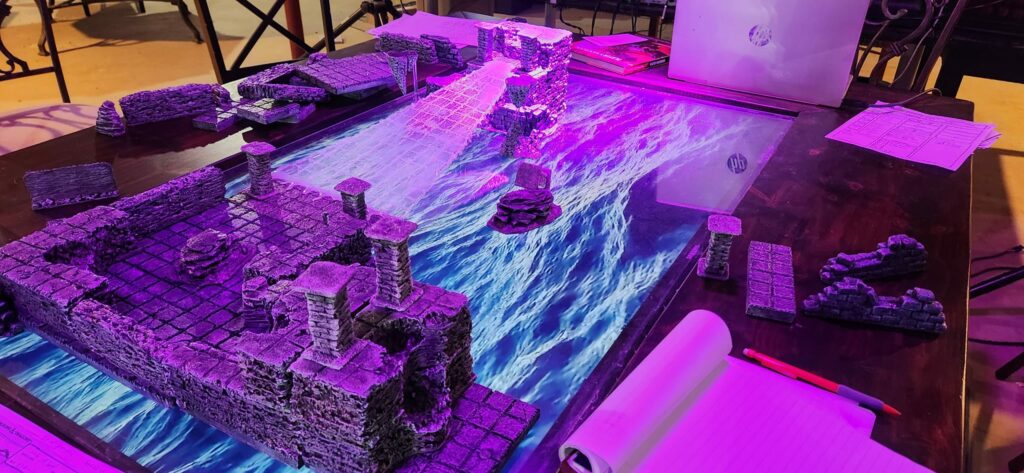
Answer: My D&D group is actually a really great story. I only started playing D&D around 2021/2022 when I was invited as a player to a game hosted by my former band mate and her husband and two other couples (sadly, my wife has no interest in TTRPGs). I’ve always enjoyed building and creating cool nerdy things (in my Zelda band, I learned how do leather working so we could wear custom armor on stage). So for that group, I built a custom gaming table with a 55′ TV screen in the center so we could use digital maps – this was before I started building 3D terrain.
After posting pictures of my gaming table, I was messaged by two separate Fraternity Brothers that I’ve not spoken with in nearly a decade telling me how much they liked my table. They shared with me that they had never played D&D, but never had a group or the confidence to try it out. So I reached out to 2 other Fraternity brothers who I knew played, and the five of us started a game with myself in the position of DM! What started out as a Ravenloft one shot turned into an full-blown campaign that continues to this day. Life is busy, however, so we only get to play once or twice a month, alternating between in person and digital games depending on everyone’s availability.
Tell us about “Echo of the Mists” in a nutshell. How did you design the campaign? What was your inspiration?
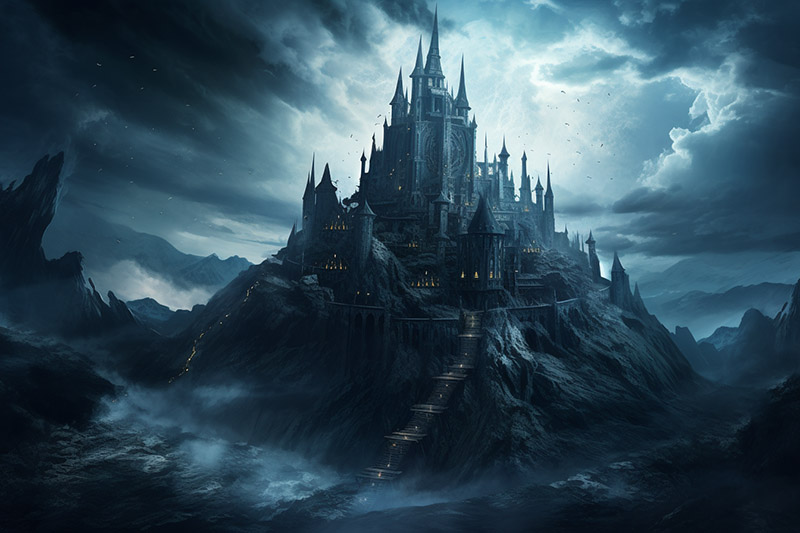
Answer: Echo of the Mists is a homebrew campaign based in the Ravenloft setting combining classic Ravenloft lore, 5e lore, or homebrew content (whatever speaks to me or works in the moment). Although it has yet to be revealed to my players, they will eventually learn that an “echo” refers to the manifestations of specific, powerful entities that exist throughout the multiverse of D&D as “variants” of those entities. One such entity has unwillingly trapped itself within the cage of Ravenloft and is using its power to draw in (and devour) its own echoes in an effort to gain more power and escape.
Why did you choose Ravenloft as the setting for your campaign? How does the setting complement your plot?
Answer: I love vampires, werewolves, ghosts, and all things spooky, so Ravenloft was a natural choice. Admittedly, our game is more “dark fantasy” than “horror,” but it still allows for me to explore dark themes and spooky stories.
Your wiki section details a lot of domains, but some don’t have a wiki page. Do you add the details of these domains as the players move from one domain to another?
Answer: There are A LOT of Domains in Ravenloft – too many for me to possibly develop between my family life, work, and creating terrain, painting minis, and creating content. So I develop the world as the players move through it and help guide what needs to be developed and what doesn’t. I also love having my players contribute to the world, so whenever I can, I have them make decisions about the world and characters within it. For example, there are times I’ll ask my players to create features in the world like a family estate or a describe the people from their past. I’ll take their ideas and integrate them into the stories, scenes, and settings that they will explore.
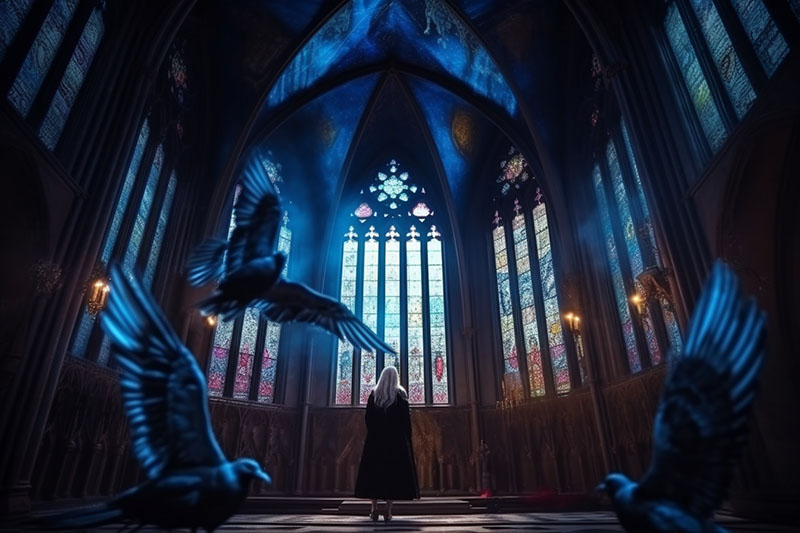
Dungeons & Dragons 5th edition has relatively few Ravenloft books. Are you using any materials from previous editions for your domains?
Answer: Oh yes, the older lore has lots of great content. I routinely incorporate “canon” material into my game, but love to fill in the gaps with my own homebrew. I’ll even try and marry the old and new lore on occasion. For example, in 5e they gender bend the ruler of Falkovnia – Vlad Drakov – into Vladeska Drakov. In my game, Valdeska is the daughter of the original Dark Lord who has systematically butchered her many, many siblings to take the reigns of power as the undisputed ruler of the land.
How much time is usually spent preparing your game sessions? Describe a typical session.
Answer: Its hard to say how long I prepare because I do it in bite sized chunks after my kids go to bed while I’m watching Netflix with the wife! I’ll write it little notes and ideas to myself and come back to it later. As any DM knows, some content you make gets completely bypassed by players, but I’ll often “recycle” that content. The old catacombs that the players never explored becomes and underground fortress of a necromancer of laboratory to a mad scientist. I’ve learned that if you “save it for later,” later never comes!
How long have you been using Obsidian Portal? What brought you to the site and what keeps bringing you back?
Answer: I think I started in 2022 as a way to store my ideas and content. I would never be able to remember everything, so having a man repository that is organized the way I like it is super helpful. I’m 99% sure my players don’t even use this wiki, but it sure is helpful for me to keep my world straight and organized.
If you had to pick just one thing, what would you say Obsidian Portal helps you with the most?
Answer: Organization for sure. Visuals help me remember things far better than names and texts, so having things arranged exactly the way that makes sense to me is very helpful.
What would you say is the biggest highlight of your game so far (please also provide images and links if possible)?
Answer: Anytime I can get the reaction of “I REALLY hate that guy” from my players regarding an antagonist feels like an absolute victory to me. Also, when my players geek-out over my table setups, it makes all the work I put into them worth it.
Okay, as a last question, we always ask for the GM’s “pearls of wisdom”. What GM insights can you offer the community this month?
The game and story are better if you don’t stubbornly cling to what you think SHOULD happen, but instead let the story naturally progress. The classic saying is that no story survives the encounter with the players, so let that inspire you. I often will come at a setting with the mentality of “what would happen if the players did NOT intervene?” Then, I use the choices the players make inform what DOES happen, and more often than not, its unexpected and better than what I would have planned. I love not knowing what will happen, so every session is exciting and rewarding for everyone at the table.
Thank you to the community for making this campaign of the month possible! That’s all for now, join us on our next adventure September 1st, and don’t forget to nominate your favorite campaigns for our next Campaign of the Month!
Obsidian Portal Campaign of the Month August 2024: Freeing Phandalin

Greetings, brave souls and seekers of tales untold! Today, we embark on a journey into the heart of a fantastical realm where dragons soar and heroes rise. Join us in talking with Bortas, the GM behind Freeing Phandalin, the winner of our Campaign of the Month for August 2024!
I want to jump straight into your setting. Phandalin is a location I am sure many folks are at least passingly familiar with, given that, what drew you to run your game here?
I’ve ran LMoP and really had a great time, and in reviewing the newer starter box, DoIP, I noted the questing system is more “West Marches” style, putting a lot of agency on the players to pick the sort of adventure they want, with far less railroading involved. The plot sort of develops out of ‘order,’ but it develops in a way the players pick.
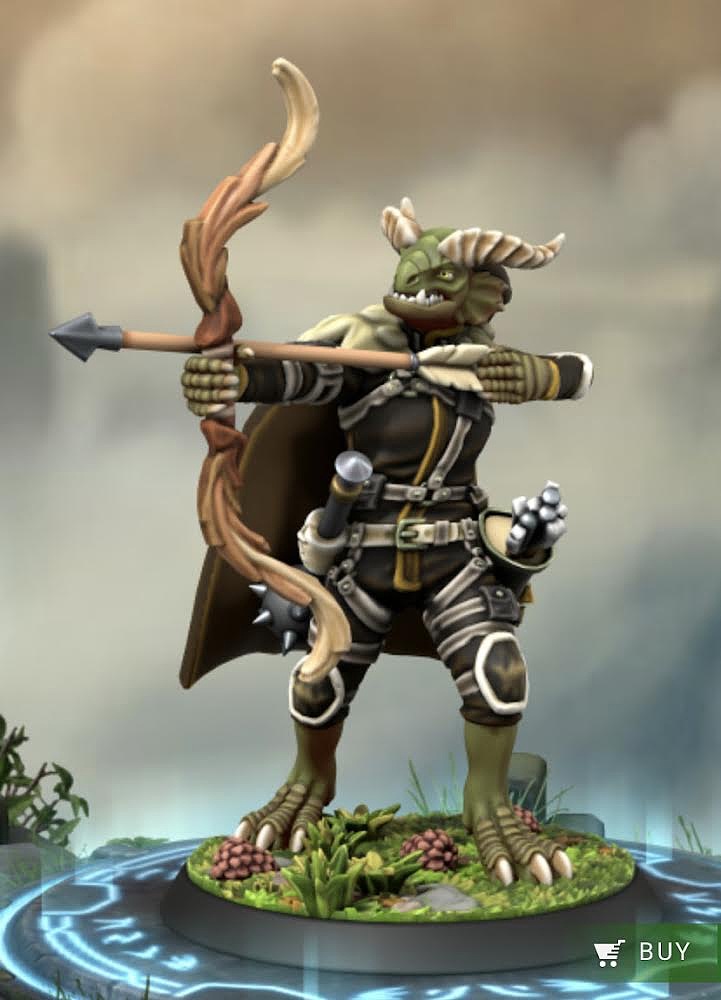
Next, tell us a bit about yourself as a GM. How long have you been running games? I notice you have a few other games, some in the same system, some in Pathfinder, do you have a favorite system? Lastly on this topic, do you get a chance to play much or do you prefer to live behind the screen?
I started playing in 2011, and almost immediately started writing for my own campaign. I’ve done homebrew campaigns, and I’ve run prebuilts, both have differing appeals. I don’t get to be a player as much as I like (no one can relate, I’m sure!); every couple of years I get into a campaign, but I’ve never been in one that last longer than 6 or so sessions. I like systems that are sort of vanilla fantasy, they are flexible enough that we can add our own weirdness on top of, but universal enough that no one has to be a rules expert.
Switching gears for a moment here. Tell us a little about why you chose 5e for this game (as well as some of your others)? Do you have any homebrew you typically include in 5e games or anything special just for this one?
I’m fond of 5e, as it feels like you can ramp up or down the ‘crunchiness’ of it depending on player ability, even in the same game. My buddy can get really into utilizing complex mechanics for the fun/silly, but his daughter is likely to just move and blast 🙂 As for home brewing, I’m not great at developing a game world that comes out at the table, so I do less of that these days, and let basic settings handle the heavy lifting, let me focus on engaging encounters.
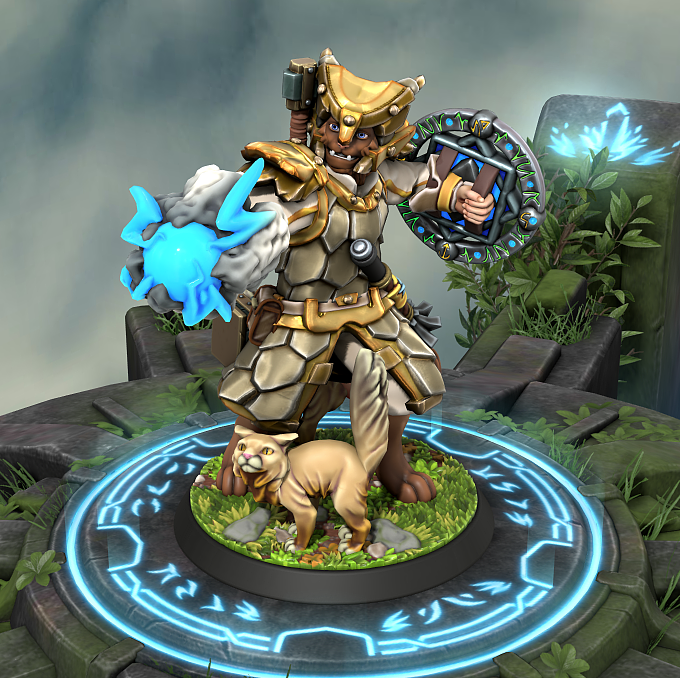
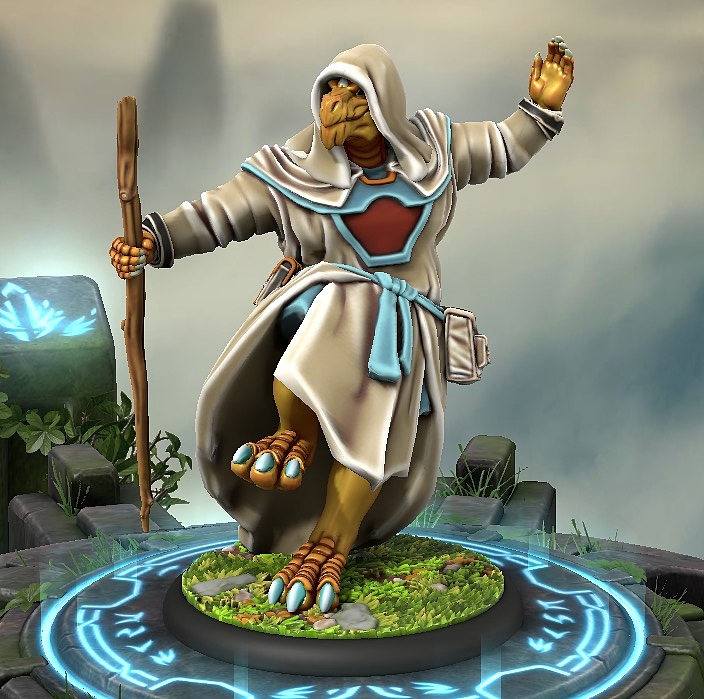
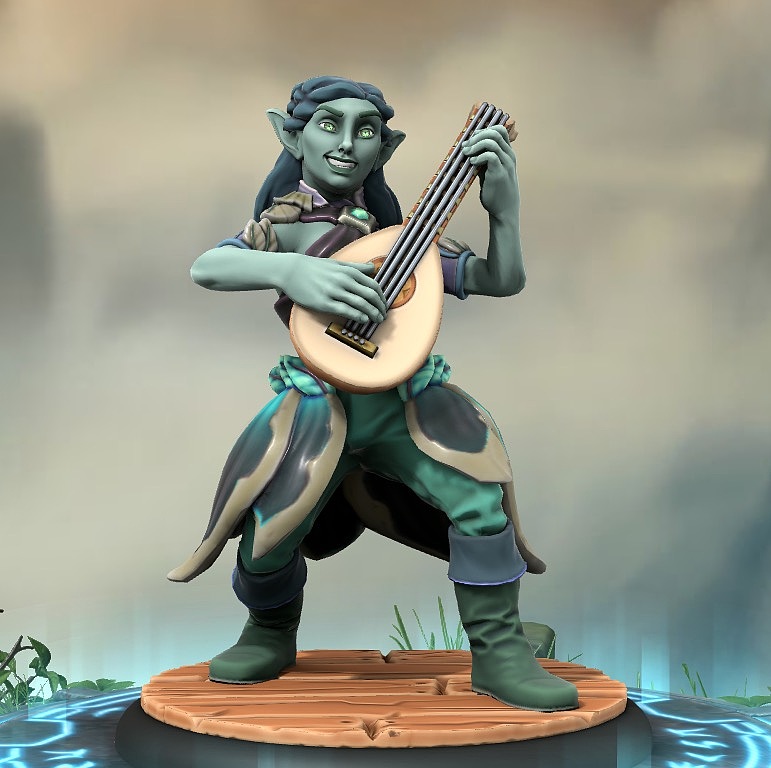
I love the mix of character art in this game, there is a very consistent feel to it yet the individual characters are quite distinct. How do you come by it? Made by yourself or a player, AI tools, borrowed from the internet?
Artwork most of the basic graphics for the site I built with the community experts, but if it looks like a graphic, I probably just used google image search. I do tend to run it through the same filter and crop them similarly for consistency. The character artwork is using the HeroForge system to make minis, then just a screenshot :-). I find that you can take pretty different image art styles, but if they both have a sepia filter and similar contrast, it’ll work out.
What’s your group like and how do you play? In person, remote, a mixture? How did you assemble your party?
I’m fortunate enough to play in person. I’m even more fortunate, in that I only have to schedule with one other family. Our gaming group started as my partner inviting another couple, but almost immediately our oldest kids wanted in, and after a couple of months, the two younger kids wanted in. So….. I have too many players, 3 adults and 4 kids…. But they get along, and less adult scheduling disasters. As for summoning the crew, the adults get together and cry over our calendars for a while, before agreeing on a date way too far in the future. Adulting sucks.
The look and feel of your site is fantastic, seeing as you’ve been on Obsidian Portal for a while, I’d love to know how long it took you to nail this one down, also if you have any tips or tricks that might be useful to others when it comes to planning and execution of such a stellar site we’d love to hear them!
Re site design: I spent a lot of 2016-2018 in the community section of this site. My goal when I first started learning was simple: to resent a medieval feeling, while on a website – replace the feeling of ‘tech’ with ‘magic’. This sort of informed every design decision: the right is on parchment, character images expand when focused on, etc. OP really helped me discover CSS and what it could do. I worked really hard on my first OP site. But after that campaign concluded, I realized a bunch of my design work had been too specific for that campaign. I took that campaign’s CSS and whittled a bunch out, my goal updated to being able to take just the CSS and drop it into any campaign and have that campaign be transformed, without customization needed. My only advice to people learning: look at other people’s code. Look at your site at different browsers. Look at it with different browser widths. You can do it, AND we want to see it!
Shifting back to the game itself, do you or your players have any great, or terrible, moments you’d like to highlight?
The party had come upon an orc-infested shrine. At the start of the round, they rolled an escalating doom die (each round, add +1, bad things happen at high numbers), more orcs would spawn, a mini boss, an environmental disaster (collapse of some kind). Anyway, the orcs just keep coming and coming, and after a few rounds, they started trying new things. From my perspective, there was no exit condition. They tried new things and they worked. When they elevated above move smash move, the orcs spit out some bosses and that was the end.
Looking through the reports (Adventure Logs) for this game, I adore the use of elements like “(text missing)” as well as the odd image. Is that a collaborative effort or do you manage the chronicling all by yourself?
I’m glad you picked up on the “text missing” – i utilize that to cover a section where I could write a lengthy description… that doesn’t necessarily serve to advance the story, even if it would recap highlight. I do all of the cataloging, so partly it is about saving me effort. But I also review the last log with the crew before we play, and this is better done in a short, punchy way, so I try to write my logs as very dense highlights. The parts that were in our imagination when we did it, I try to leave in our imagination and instead remind us, rather than tell us.
Famous last question. What’s a bit of your GM secret sauce you think others should know about?
Secret GM Sauce: TTRPGs are not players vs DM. You celebrate their wins, feel mourn their defeats. Your job is to present tough problems, not solutions – present them a problem you don’t know how to solve and then lean into their creative genius. Remember your job in response Is very very simple: “that just works” “that could never work” “hmmm, I’m not sure, and if you failed, that could be bad – let the dice decide!” Don’t jump to the last option “roll dice” first – your world makes far more sense to people if the obvious failure points obviously fail. Or the trivial tasks don’t warrant dice. When we operate inside of set of rules (more so if we aren’t super familiar with the rules), it’s easy to say no: but your job is “yes, and!” And…. If you’re behind the screen, you’re a servant and hero to me <3
Thank you to the community for making this campaign of the month possible! That’s all for now, join us on our next adventure September 1st, and don’t forget to nominate your favorite campaigns for our next Campaign of the Month!
Obsidian Portal Campaign of the Month June 2024: The Planewalker’s Guild

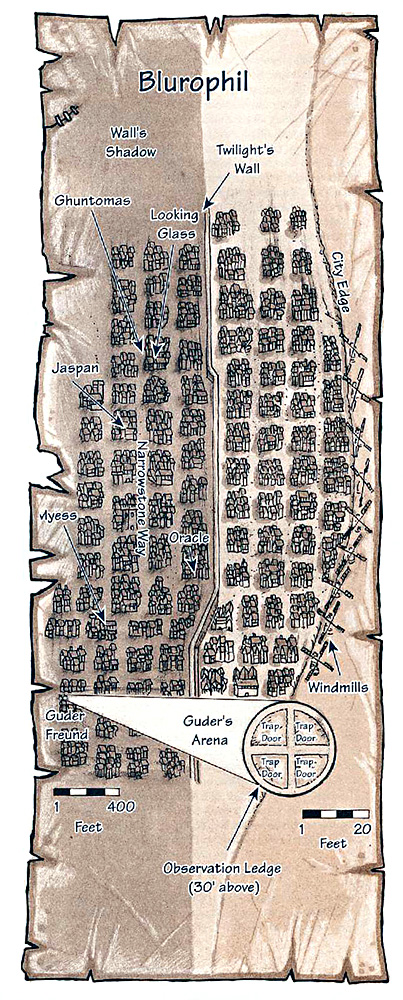
After escaping the shattering sky, why not travel the multiverse with a group of Planewalkers as they move from Sigil to the Plane of Air in search of a notorious serial killer. Join up with previous “Campaign of the Year” winner, Dungeon_Master_Loki, and let him guide you through transitive planes, observing the “Rule of Three” and the “Unity of Rings, as part of The Planewalker’s Guild, in a pay-to-play campaign that has been in existence for a year and still has spaces for intrepid adventurers, as they travel to discover the Riven City of Bleurophil.

First off, feel free to tell us about the person behind the GM screen. Where are you from? What do you do aside from gaming? Alter Egos? Life partners? Family? Where can we interact with you on the internet?
Well, I’m an 8th generation French Creole from New Orleans and I’ve been gaming since the late 1970s. When Hurricane Ida hit I was an idiot and rode it out (NEVER try to ride out a Cat 4. Period). I relocated to Cincinnati, a city I had lived in for a few years about a decade ago when my ex wife was in school.
Professionally I work as a freelance game designer and copywriter, I run paid games online and at conventions, and I teach Introduction to Game Design at the University of Cincinnati. I also spent many years prior to that working in music and in online PR. I even worked through the pipe bombing at the Centennial Olympics in Atlanta.
When not gaming I am a huge media buff – music, books, film, etc – with a long standing love of science fiction, satire, and what my friends refer to as “the weird shit”. I have a huge love of alternate histories and time travel stories (I have every surviving episode of Doctor Who for instance). This obviously shines through in my game design work as well, much of it being planar strangeness. I also love to cook, although I must admit I rarely do so when it is just me.
Alter egos? Well, I got the nickname Loki about 25 years ago while working at the House of Blues and have used it as my byline since if that counts. I do have a long suffering girlfriend, who plays Lenata the cleric in The Spelljoined campaign. The vast majority of my family is in the New Orleans area back home, except for Puck and Gremlin, my atrocious felines and editorial assistants.
Find me online? While often in need of updates, Planejammer.com is my main home on the web. My most used channel is Discord (DungeonMasterLoki). If you want me to run a game for you or join one of my paid games / campaigns you can find me through my profile on Start Playing Games and on GRIPNR. I’m on Facebook, but don’t often friend people I have not met in person or had extensive interactions with. (This is especially true with the combination of election season and use of AI rising as the year progresses.) 36 of my titles, books I’ve authored or contributed to, are here on DriveThruRPG and I am deeply thankful for every sale and review!
Please explain the basic concept of your game plan for The Planewalker’s Guild. The game seems to have been running for a year. Give us a few hints about the Planescape scenario.
Most of the games I run take place in a shared multiverse, usually centered around Spelljammer and Planescape. The Guild game is one of those. Massive changes are afoot across the planes, extremely destructive (one might even say apocalyptic) changes.
The past year of play started our heroes out as new initiates of the Guild in the wake of Planescape’s Faction War. One of their early missions had them become eyewitnesses to an interplanar incursions that “shattered the sky”. They are currently in the city of Bluerophil on the Plane of Air tracking down a serial killer during the equivalent of Maridi Gras. They have to stop him from completing a cycle of ritualistic murders that will call down the Planebreaker. Future adventures will vary thematically as the [lot of this game and the overall metaplot evolve. I predict between two and four more years for the campaign if we maintain a twice a month schedule bringing any PCs that make it to a solid 20th level.
While there are missions for the Guild I essentially run sandbox style player driven games. RPGs are collaborative storytelling when at their best, so the contributions of my players not only determine the overall direction but also create lasting effects on the in-game universe.
The opening page of your campaign says “Contact Dungeon Master Loki to book your game today,” with the link leading to a professional Game Master page under the “StartPlaying” banner. Please share with us how all of this works.
Well, like many freelancers, income is sparse and times are more often tight than not. Running paid games for companies at Cons and online games through Start Playing Games and GRIPNR helps keep the list on in the design mines. Since the game takes place in my ongoing shared multiverse that means I have hundreds of pages of background info, NPCs, etc available instantly on Obsidian Portal when I need them. All my players share the trait of zigging when I expect them to zag, so being able to pull up everything when they do is invaluable.
As to how it works, I post games online as I create them and those people looking for DMs contact me directly through the site. Cost per session is up front as are reviews of the DM by former players and a capsule review of what the game or campaign is. I run a safe table – LGBTQIA friendly and accepting of all and I require my players to abide by that. Both of the online platforms mentioned above also take care of billing and payment, allowing me to focus on creating something worthy of said payment.
When a new player joins the game I start with the player’s concept, and I encourage people to go big with ideas, which I then help them translate into an effective build. I then get them to write of a background which I then tweak in order to root them more firmly in my setting and provide hooks for personalized subplots down the line. Using Obsidian Portal we have a central place for character sheets and a wiki for the “in use” house rules.
I know there are some that find the idea of paying for a DM to be anathema, but there are a LOT of folks out there who cannot find one, have no one nearby, or other valid reasons. Besides when paying they can demand a certain level of expertise on the DM side of the screen.
Presumably, your games are all run ONLINE. You mention that you primarily use a “Theatre of the Mind” approach, but that you also use battle maps and tokens. You have listed platforms like Discord, Skype and Zoom. You also have “Owlbear Rodeo” listed. How much do you use a platform like Owlbear Rodeo, and how useful is it to your team?
I started playing in the late 70s and Theater of the Mind is the old school way. If you do it right it makes for fantastic immersion. I usually only pull out battle maps on Owlbear Radio when it is an extremely complex combat or a massive narrative moment. I personally find it to be my favorite of the online table top options due to its simplicity. While it has none of the bells and whistles of things like Roll20 it also does not require extensive learning to use. Players can log into your map from a link that you generate and immediately have control of their token. I find that with online games it is especially important to minimize dead time, even more so when being paid for the session. What you lose in bells and whistles you get back in the speed of play that you gain.
Your current player list comprises 6 players. Did they all start at the same time? I note on your StartPlaying page, you still have space for 2 players. Would 2 new players just slot in to the current game, or how would you go about that sort of integration?
Most started at the same time, two started later, and one left due to health issues and has just returned to the table. At the time I’m writing this I do still have two slots open.
When a prospective player contacts me I help them to develop their character concept and bring them in at an equivalent level. (That is why the guild membership is the baseline, it makes it more logical as faces come and go.) I use a good bit of third party material so I can usually find acceptable rules for implementing most ideas.
Your campaign “Planejammer: The Spelljoined” won Obsidian Portal Campaign of the Year in 2011, and it is still running. How busy are you with your various campaigns? Do you have any player crossover between the campaigns? In what ways does the new campaign differ from the old one?
The Spelljoined is my main personal game and the baseline of the shared multiverse all my games inhabit.. It’s on its 8th generation of players and has been running almost non stop since 1979 (there was a gap of about three years in the early 90s). That is the umbrella setting I mentioned before. While the Planewalker’s Guild are facing one aspect of the great multiversal disasters, the Spelljoined are currently in an alternate universe (Gamma World) trying to stop a massive mind flayer plot. Characters cross over between games fairly frequently, and events in one game do influence the others. I’ve also had the distinct pleasure of having a number of guests from the industry sit in on sessions. For instance in one game I not only had X-Crawl creator Brendan LaSalle join us for a session set in X-Crawl, but also M. Nystul joined us playing his Nystul the wizard character (which he played at Gary Gygax’s table) for an epic evening on Greyhawk.
The Spelljoined are 16th level characters with Mythic Ranks doing the crazy, gonzo, multiverse hopping stuff. Bouncing through the alternate realities when not in Sigil or the Rock of Bral. The Planewalker’s Guild is 6th level and operating in the Planescape/Spelljammer setting where evidence of the big battles of the Spelljoined are starting to manifest. The Dept 7 game is set in a variant of Dark Matter where the effects of these conflicts are bleeding through the multiversal barrier, etc. Each group is seeing and fighting different aspects of the Really Big Picture(™).

One of your Player Reviews in “StartPlaying” says that you often reward players for work “outside of the game”. Is this reward given in Experience Points, or do you have other rewards? How much “outside of the game” stuff does the current group engage in?
Work outside of the game includes things like journals and art, in character stuff that contributes to the world. These rewards are usually in the form of bonus Mythic Points or story driven rewards. It is NOT required. If I used XP that would also be on the table as reward, but I use milestone levelling. I find that removing combat xp from the equation encourages non-combat solutions. I don’t get much in the way of submissions from the paid gamers, but in my home game there are a number of players who keep journals and contribute art. We even have a full tarot deck that uses PCs and NPCs from throughout the years that one player made over Covid lockdown.
You have been with Obsidian Portal for some time now, so how would you say it has changed over the years, and why is it still a useful site for someone like yourself?
Over the past decade plus I have seen it evolve a good bit. The Reforge was an exciting time that ended with dashed hopes as things deteriorated for quite some time. When the current team took over and things became more responsive to the community and its needs I was thrilled. I had stopped using it and when I checked back looking at an old wiki I discovered my favorite organizational tool had been resurrected. The current team has my thanks for making my favorite organizational tool viable once more!
Most mission critical parts of Op? The wiki, the ability to keep secrets between players and DM, and the Adventure Logs are all endlessly useful to me as a DM. Especially juggling notes and details, not to mention conversions, that have accumulated over the decades of play.
After all these years of being a member, If you had to pick just one thing, what would you say Obsidian Portal currently helps you with the most?
The Wiki and privacy controls, hands down.
I note from your Adventure Logs, that your group has currently entered “The Riven City of Bleurophil”. Tell us something about that. How did they get there, and what do you think lies in store for them.
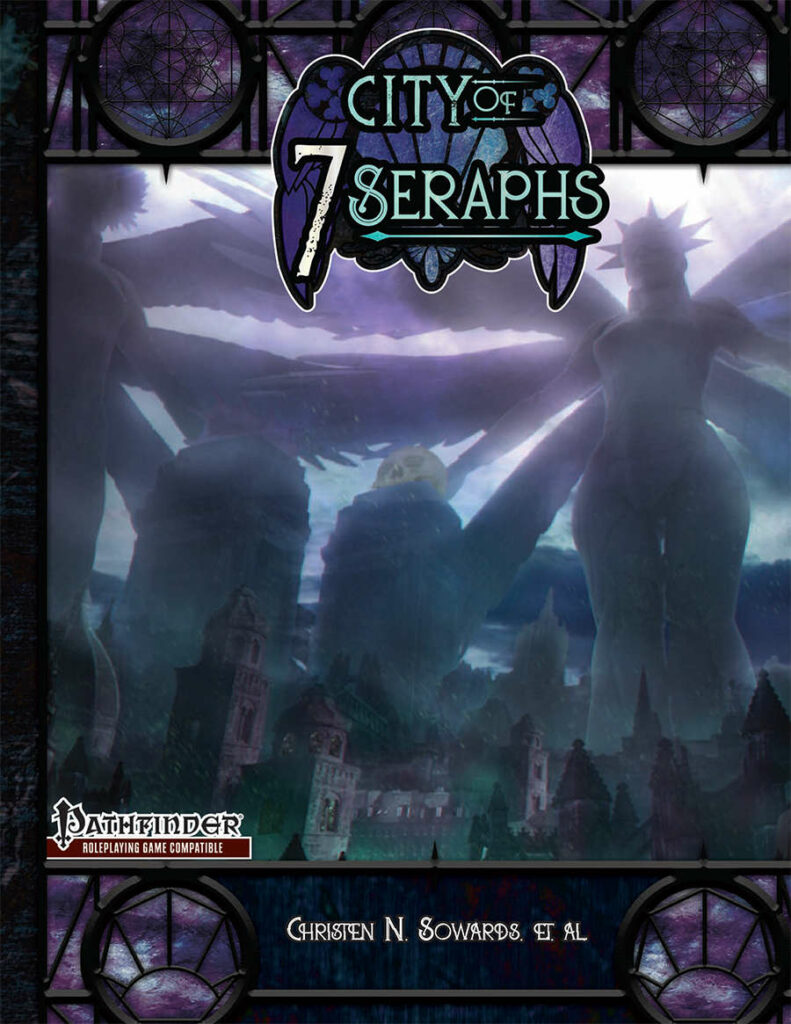
This adventure is a follow up to one I ran for a prior group. It came from Tales from the Infinite Staircase and presented the Riven City and the original serial killer. The Guild players are operating 25 years later when a new killer is trying to complete the ritual slayings, and the history of the prior crimes was established by the prior group’s actions. It is my own follow up and recontextualizing of the original adventure.
The players were sent there by the Master of the Docks in the City of 7 Seraphs (one of my creations in that book) and their Planewalker’s Guild superiors to do recon. As some of the only eyewitnesses to the Planebreaker’s transition through Elysium they are considered the closest thing to experts available. Now they’re discovering some of the bigger picture. As for what awaits them? That depends on their actions. Will they stop the Gasping Strangler’s successor from completing the dark ritual? Will they see the Planebreaker shatter the sky again? Will Geeta ever stop complaining? A lot can happen, and the stakes are rising rapidly. Let’s just say that there is potential to gain Mythic Ranks in their not too distant future.
The whole “Planescape” scenario was created in Dungeons and Dragons, and yet you are using Pathfinder for your campaign. What were your motivations for this, and did that mean you had to do a whole lot of stat converting?
I’m used to it. I’ve written professionally doing work in Pathfinder 1e, Starfinder, Dungeon Crawl Classics, and Cypher System. I also grew up hacking my RPGs in order to do crossovers back in the 80s. The meta campaign began in the late 70s and has evolved with the times. It started in White Box D&D, quickly shifted to AD&D as the hardcovers were published. The 3.x era was the sweet spot for us in many ways. When 4e hit it did not fit our playstyle so we bounced over to Pathfinder 1e which is what I run them under currently. I’m seriously considering using Rob Schwalb’s fantastic Shadow of the Demon Lord rules for the next generation.
I have an entire wiki of conversions I keep private since it is a lot of IP from various source materials that I do not own (i.e. Greyhawk, Spelljammer, etc.)
Okay, as a last question, we always ask for the GM’s “pearls of wisdom”. What GM insights can you offer the community this month?
Don’t be afraid to improvise, just take notes as you do because you’ll probably need them later. Yes, even the throwaway NPCs. Don’t say no, say “you may try”. Give everybody spotlight time. Be kind to your players and an evil bastard to their PCs. Most importantly: KEEP IT FUN!
May your 20s be both frequent and natural. Loki out.
Thank you to the community for making this campaign of the month possible! That’s all for now, join us on our next adventure July 1st, and don’t forget to nominate your favorite campaigns for our next Campaign of the Month!