Blog Archives
Campaign of the Month October 2026: The Final Reaping

Mysterious forces are at work in this Shadowdark RPG version of the legendary world of Greyhawk. Main players, and sometimes whole societies, are sowing distrust and dissent among the Commonfolk; so what will the adventurers do to progress? Find out what happens when a creator blows his perception check against its deception check as we converse with GM Aveneer discussing his campaign, The Final Reaping.

First off, feel free to tell us about the person behind the GM screen. Where are you from? What do you do aside from gaming? Alter Egos? Life partners? Family? Where can we interact with you on the internet?
I am from Chicago. I am a high school math teacher and math team coach. I have a wife and daughter, both of which do not share my obsession with RPGs, which I am glad for. It’s nice that they have their own interests. I didn’t want my daughter to become a mini-me. My Instagram is @nuttle_shuttle
Tell us a bit about your players. How long have you been playing together. Describe your typical gaming session. Online or In Person?
My players are a mixture of ladies and gentlemen, some of whom I’ve been playing with since college (early 90s). The ladies came later, as they are spouses. Most games we play in person, D&D 5e, with laptops on Roll20, but this campaign, The Final Reaping, is a Shadowdark game, so I wanted to keep the tech to a minimum, so we are all pencil, paper and dice for it. I usually set my games in the World of Greyhawk because I think it’s the best blend of high fantasy and mystery, with enough lore built in, but enough space to put your own stuff in there.
As for a typical session, usually everyone is late, and them we spend 30 minutes bickering about food. Finally, once we start playing, we go for 4 to 5 hours. My games are a mix of SERIOUS FANTASY and random gouts of hilarity mixed in (usually from player antics and monologues/conversations). The Final Reaping is deadlier than other games, because such is the nature of Shadowdark.
This game is also unique in that it is a “drop-in” game, meaning that whomever is available to play shows up and plays. That is why the players change from session to session. This came about because we have a schedule that we follow as a gaming group, and if not enough people can play, I wanted to have something else for us to do. So this game sort of started as background noise but is slowly inching its way to a more prominent spot.
You have chosen to structure your campaign with everything on the Landing Page. Nonetheless, there are some significant design techniques employed in creating the set up with links and pictures. Please describe what tools you used in doing this, and how you came to decide on the layout of the campaign.
All of my other Obsidian Portal campaign pages (Miscreants from Meazeltown; Dragons Are Little Bitches, Man; The Temple of Elemental Evil; and The Further Adventures of the Crimson End) have the same structure. I wanted this to be a bit different. I saw this structure somewhere and I liked it. I have no talent whatsoever in programming so I did what all programmers do: I asked AI to help me build it. Since I wanted it to have an old-school flavor, I made the color palette mostly monochromatic, and I chose images that came from OG D&D books and modules. I also love fonts so I wanted to find some interesting ones to use. Sometimes I go overboard, and at first I did, by using a very flowy, difficult-to-read font for the normal text, but I just switched it up for the default Shadowdark font (Montserrat).
I suppose I could go even further and make the sub-pages similar to the Landing Page, with images of each NPC/place/item/etc. in a box that links to their wiki page, but that is a tale for another day…
The Allies and Enemies windows are interesting. Currently there are only two listings in the Enemies section and both seem to have had previous experiences with the Adventuring Group. Is it the same group of players, and, without giving away any secrets, do you intend for them to have major roles as antagonists in the New Campaign?
I don’t want to flag enemies as “enemies” unless players are sure that they are enemies. There are lots of betrayals and double-crossings in my games, and so players aren’t really sure who to trust at first. For example, the players encountered The Scythe and The Skull (the two creatures that disrupted the ritual of Incabulos) and my players were asking among themselves if those two were on the players’ side or if they should be attacked. I mean, one of them wielded a bloody scythe and the other had the skull of a lizard on his head, but they didn’t actively attack the players, so are they really enemies?
The enemies listed are ones that the players have actively crossed swords with, though I should update that based on our last session. And, to be honest, Ulfar the Black was a random encounter who the players set free after defeating him and his surly band of baddies, so who can tell what burns in his heart?
How important are Deities to your campaign?
I like to make the world seem as realistic as possible, so worship of deities and people and heroes trying to carry out their deity’s wishes is seen. Motivations come from dogma, especially since deific power is on display constantly. So I would say that deities are pretty important.
Tell us something about Shadowdark RPG. What made you choose that system, and what do you feel are its main benefits to your campaign?
I played D&D all my life, and when Shadowdark came about, I was skeptical (as I am with all new-fangled things). But this new-fangled thing was a new-fangled thing disguised as an old-fangled thing. Like, I blew my perception check against its deception check! I read the free guide and the random tables and the carousing really spoke to me. I also really enjoyed the idea of light playing a much bigger role, and if light is taken away, every creature around the players gets advantage on their attacks.
One of my campaigns (Miscreants from Meazeltown) has as its conceit that the players are some of the weaker monster races (kobolds, goblins, derro) trying to take back the stuff that humans, elves and dwarves have stolen from them. I wanted to make that campaign a Shadowdark game, but in Shadowdark, darkness and who has darkvision plays a major role and it didn’t make sense to have the players be the only underdark denizens NOT to have darkvision, so I kept it 5E.
Since this campaign uses a lot of older adventures as its basis, I felt Shadowdark would fit in well with that old school D&D deadliness. Plus, it’s so easy to run. When my group was at Gen Con last year and we played some 5e and even 3.5 D&D, I turned to one of my friends and said, “We could have had four full combats in the time it took us to get through this one combat.” Which is true. Combat is so fast. I typically over-plan in my games and we never get as far as I want to, but in the first session of The Final Reaping, we covered all that I planned for. It was both shocking and amazing.
How important are your Adventure Logs to the campaign?
To me, they are very important. To my players, less so. There is so much info in them – foreshadowing, clues and solutions, in addition to a summary of the sessions. In an ideal world, every one of my players would read the adventure logs, but we all know they don’t. It’s not really their fault. My gaming group is blessed with SIX DMs who want to run games, so it’s sometimes difficult to keep track of what is happening in which game. But like I said, the logs are very important because they include vital information, and they allow me to write the plot of the adventure in a narrative form, which I find fun and challenging.
As an aside, I really get annoyed with myself when I break tense in the logs or misspell a world. But that’s just me.
Without divulging any major secrets, what are your future plans for the Campaign?
As I said before, I wasn’t planning to run a Shadowdark campaign; it just came about because we had openings in our schedule and I just threw it in there. I got the idea for the campaign by reading through old Dungeon magazines. I found an interesting adventure (“The Dark Conventicle” from Dungeon #11) and came up with a way to modify it and expand it to cover an entire campaign. I didn’t want to write a whole campaign, so I also stumbled upon a repository of old Living Greyhawk modules that I decided to use to link the whole campaign together. It actually worked out really well, and the Living Greyhawk modules are all designed to run in a 4-5-hour session each, so it kind of fits in perfectly. Of course I had to modify them slightly to fit in with the theme and the plot of the campaign. I also found the use of Creighton Broadhurst and his Dread Thingonomicon invaluable.
So future plans. Well, the heroes have to get the diseased Zenobia to the port city of Scant. They also have the mystery of The Scythe and The Skull to worry about. There are many murders that have happened. They also encountered the boy Aaront with the dark spirit inside of him. Plus, the player Mick has a curse on his arm that he needs to either investigate or get removed. Will all these threads converge? It all seems too easy doesn’t it? Like it will all wrap up in a nice box with a bow on it.
There is currently only one Map on the system. Will you be adding more as time goes by, and have you ever thought of using the INTERACTIVE Mapping to list things or make further links to the main WIKI?
I haven’t used the maps because I don’t know how much my players would use them. I tend to put any maps on the pages that relate to them, but I could just link to the maps page. I will be adding more. Usually I include mainly maps of cities.
I had never thought of using interactive mapping. Maybe I will. That’s a cool idea.
The campaign seems to be in its early stages, but have there been any memorable sessions that stand out so far, for you or your players?
The second session with The Scythe and The Skull was memorable for the “Oh shit” reaction from the players. In the last session we played (which I haven’t uploaded yet), the players ventured into a kobold warren and right before one was about to attack, the light timer went off and the player was left in darkness as their torch went out right before they attacked. The session with Ulfar the Black and his compatriots was also amusing as there were two boats drifting down a river and one of the players, Lirien, fell into the water. But the wizard, Liorka Bonepickle, who had a background as a thatcher and carried a wooden ladder (tools of the trade), lowered the ladder down to allow Lirien to climb back up.
Okay, as a last question, we always ask for the GM’s “pearls of wisdom”. What GM insights can you offer the community this month?
First, I think it’s ok for characters to die, or at least, they should feel that they could die. Too many times I’ve played in games where there is no threat of mortal danger. Players just skate through the game, they never deplete their resources and they hardly get damaged and the BBEG is toast after two rounds of combat. There should be more than one encounter per long rest, with as many as five. Players should need to decide when to use their resources; not hoard them until the end baddie of the day. This causes an increased feeling of dread as the day goes on because players never know when they will need to tap their resources or when they might run out.
Bending the rules is ok as long as it fits in with the theme of the game. For example, in my Temple of Elemental Evil game, as written, for the players to destroy the Orb of Golden Death (an artifact in the game), as written, they needed to do the following: hit it with a wind of 50 or more mph force; then strike it with a maul made from a solid piece of granite; then burn it with a very hot flame (1,000 degrees F); and then immerse it in very cold water (32 degrees F.). Now, there is no way they would ever know this, save from a bunch of research (also they didn’t have a Legend Lore spell), but what they concocted was just as good:
“The next task at hand was destroying the Orb of Golden Death. The heroes had no idea how to do that, so they began looking through books and notes they had uncovered. The one book that seemed the most promising, Lost Gods, Ancient Pacts: The Vestigial Condition, was still unreadable to them. Ray thought maybe they should start using spells of the four elements to strike at the orb, since it was created for use by the Temple of Elemental Evil. He chose a spell from each element: ice knife or watery sphere for water, stoneskin for earth, and gust of wind for air. The group agreed to use Cindersteam for fire. When all of these were applied at once, the Orb seemed to become brittle, but then became whole again. They then decided to try them in a certain order, but which order? Someone suggested the order in which they attacked the Temple. It was decided that the order should come from the poem so long ago from Trym’s dream: water, flame, earth and sky. However, when applied in this way, these magicks seemed to further repair the cracks that had just been made. This made the party especially grumbly, until they concluded that a reverse order would work better. It did. The swirling winds stripped off much of the gold of the skull, while the stoneskinned strike of Ray cracked the orb into clearly visible, yet still connected pieces. Cindersteam severed these connections, breaking it into multiple pieces and the streams of flowing water washed away any remnants of the skull.”
So the players didn’t do what they were supposed to do, but really, it was a much more satisfying ending than having to go to a large city and do a bunch of research. I mean, what adventure story ends with the heroes and the Dewey decimal system?
Thank you to the community for making this campaign of the month possible! That’s all for now, join us on our next adventure November 1st, and don’t forget to nominate your favorite campaigns for our next Campaign of the Month!
Campaign of the Month September 2026: City of Shadows

Welcome to colonial Singapore in the year 1870, a bustling metropolis filled with abundance and vitality. But behind the façade of prosperity lies a city rife with terror and mystery. Unfold the adventure with GM Nicesociety and company in this Campaign of The Month: City of Shadows!

1. Tell us about the person behind the GM screen. Where are you from, what do you do outside of gaming, and where can we find or interact with you online?
First off, thank you for the recognition — I’m honored to be selected for Campaign of the Month for a second time. I’m originally from California, but I’ve called Tulsa, Oklahoma home for the last 26 years now. Outside of gaming, I’m a history buff at heart, which probably shows in how I run things, and I love getting outdoors to camp when I can, along with writing in general. Most of all, though, I love spending time with my wife and kids — they keep me grounded when I’m not busy setting terrorizing 1870s Singapore.
2. How did you get into gaming, or what first introduced you to the hobby?
I started gaming 41 years ago, at 13 years old, back before Dungeons & Dragons was anywhere near mainstream — that’s what I cut my teeth on. From there I branched out into GURPS, Traveller, BattleTech, Rifts, World of Darkness, and just about every other RPG system I could get my hands on. In the ’90s I discovered Cyberpunk 2020 and Chill, and I still love both to this day. I’ve had the same gaming group for the last 15 years, and we still play weekly.
3. Give us a nutshell summary of your campaign: what’s it about, and what inspired it?
The base system is Mayfair Games’ CHILL, though it’s been heavily modified from the core rules with a lot of expanded house rules over the years. I’ve also borrowed concepts from Call of Cthulhu and The Dresden Files where they fit. My group and I love period pieces, and we’ve been playing in the same extended universe across several campaigns now — among them another Campaign of the Month winner, Aether & Ashes, along with Yesterday’s Sins, From the Ashes, and SAVE Rome. Each is set in the same universe at a different time and place.
Our current campaign, City of Shadows, is set in 1870 colonial Singapore. It blends Eastern horror, paranormal investigation, a touch of colonial exploration, and some gothic leanings. We’re leaning hard into historical accuracy for the period, and it’s given us a fantastic cast of characters to work with.
4. What is it about this particular setting or world that fascinated you enough to build a campaign around it?
Colonial Singapore in 1870 is a setting that does a lot of the work for you as a GM. It’s a genuine crossroads — British colonial administration layered over Chinese, Malay, Indian, and countless other communities, each bringing their own beliefs, spirits, and ways of explaining the unexplainable. That gives me an enormous well of folklore and cosmology to draw horror from, rather than leaning on the same handful of Western monsters campaign after campaign. As a history buff, I also love the tension baked into the period itself — colonial power convinced of its own rationality, sitting right on top of a city that doesn’t believe in the same rules. That friction between what the empire thinks it understands and what’s actually moving in the shadows of the docks and back alleys is, to me, the most interesting kind of horror: it’s not just supernatural, it’s cultural.
5. What game system and edition are you using, and what guided that choice? What do you like most about it, and are there any downsides you’ve had to work around?
We’re running Mayfair Games’ original CHILL system, though at this point “edition” almost undersells it — it’s been rebuilt from the ground up with expanded house rules developed over years of play. All mechanics run on D10 or D100, which keeps resolution fast and intuitive at the table without breaking immersion to look up charts. I chose CHILL originally because it fit the paranormal investigation tone I wanted and it was what I already knew from the ’90s .and what I love most about it now is how easily it flexes: the core system doesn’t fight me when I want to layer in something new, whether that’s a piece of period-accurate folklore or a mechanic borrowed from another system entirely.
Honestly, the heavy modification hasn’t created the downside you might expect. Even with all the house rules layered in, we’ve kept things simple enough that new players can pick it up without much trouble — though it’s worth noting we’ve had the same core group for over 15 years, so it hasn’t been tested by a revolving door of new faces. If there’s a real downside, it’s that not a lot of people really know about CHILL at all.
6. Tell us about your players and your typical gaming sessions: how often do you play, and is it online, tabletop, or hybrid?
There are five of us total, including me as Chill Master. We play in person every Friday night, usually starting with a communal meal before diving into a solid four to five hour session. As adults, real life doesn’t always allow for marathon sessions the way it might have in our twenties, so our campaigns tend to run long — a typical 13-episode arc takes about a year and a half from start to finish.
Obsidian Portal has been an invaluable tool for us throughout. It lets my players go back and review NPCs, locations, and details they’ve uncovered as the campaign unfolds, so nobody’s relying on memory alone between sessions. That keeps everyone focused and engaged at the table instead of spending game time trying to remember who someone was or where a clue came from.
7. Tell us about the central characters (PCs and/or key NPCs) in your campaign. What roles do they play, and how do your players bring them to life?
Our party operates as the Society of Oriental Studies, a name that gives them cover for exactly the kind of poking around dead men’s affairs that gets people killed in polite company.
Joe Gannon is our cowboy — a hardened survivor with a dark past and an instinct for evil that’s saved the party’s collective necks more than once. He’s also quietly running from Confederate gold he brought with him from the war, which has started catching up to him in ways he didn’t see coming.
Mei Lian is the shadow queen of Singapore’s criminal underworld — publicly a brothel manager, privately the real power behind an empire she built from nothing after being sold into servitude as a child. Nobody in the party plays the long game quite like she does.
Nathaniel Blackwood is a smuggler with a gentleman’s polish and a criminal’s instincts, moving opium and secrets through the docks with equal ease. He’s charming enough to talk his way into a room and dangerous enough that you should worry about how he talks his way out.
Phinn Farrington is our legal authority — an English attorney carrying guilt, duty, and a very literal scar from an encounter with something that shouldn’t exist, picked up during his Navy days in the Mediterranean. He brings order and respectability to a party that badly needs both.
Dr. Simon Williams walks the line between rationalist and mystic, a physician who lost everything to disease and was saved by methods Western medicine has no explanation for. He treats what official Singapore won’t acknowledge exists, and he’s usually the first to notice when something in the room isn’t breathing right.
And rounding out the party is Alice Brown, our thief — orphaned young in London and raised in a den of skilled pickpockets who taught her that a well-placed hidden pocket can be as valuable as any lock pick. What looks like simple thievery hides a far heavier truth: Alice serves a master whose nature is anything but human, and whose appetite for treasure has made her one of the sharpest, most resourceful operators in the party. Quick-fingered and quicker-witted, she’s just as likely to spot the ghost in the window as the unlocked door beneath it, and there’s rarely a room she can’t get into — or out of — without anyone noticing she was ever there.
Considering the character descriptions, and the fact that the players have all written their own backgrounds, the flair and creativity the players bring is self-evident.
8. What tools did you use to design or customize your campaign’s layout, banner, or overall visual presentation? What advice would you give other GMs who want to do something similar?
For images, we use a combination of Midjourney and Photoshop, with a lot of attention paid to keeping everything period-accurate. I also lean on Claude to help fact-check historical details and maintain authenticity, making sure the flavor of the campaign reflects the actual history of 1870s Singapore rather than a vague approximation of it. On the CSS side, a lot of what we use was built through trial and error — adapting code from other sources and reworking it until it fit. My wife, who works as a software architect and programmer, has been essential to that process; her help with layout and image integration has shaped the visual identity of the campaign as much as anything I’ve done myself.
My advice to other GMs is simple: details are what sell it. Small, consistent touches matter more than any single big flourish — a complementary color scheme, a visual theme that stays consistent scene to scene, and a willingness to give each campaign its own artistic identity rather than reusing the same look project to project. As for CSS specifically, don’t be afraid to go find something you like from someone else’s work and experiment with it. You don’t need to build from scratch — find a foundation that speaks to you and make it your own.
9. Where do you draw inspiration from when building your campaign, whether it’s literature, film, other games, or something else?
I draw from all sorts of cinematic styles — I actually imagine each campaign as a television season, thirteen episodes with occasional special “pilot” episodes labeled Episode 0. Books have a huge influence too. I’ve mentioned Jim Butcher’s work already, but I also draw heavily from science fiction, mysteries, and classic literature — Sir Arthur Conan Doyle, Agatha Christie, Bram Stoker, and Mary Shelley all shape how I think about mood, pacing, and character.
I also build a soundtrack for every session. Music does a lot of heavy lifting for pacing and tension at the table, and I lean toward instrumental pieces that fit the tone of the setting — a lot of Hans Zimmer, Ramin Djawadi, and others in that same cinematic vein.
10. What have been some of your (or your players’) favorite or most memorable moments in the campaign so far?
One thing we love doing is fan service — reintroducing a character from another campaign in the same shared universe. At one point we brought back a major villain who had been central to our 1936 game: a vampire lord, old enough and powerful enough that six decades backward was nothing to him. Dropping him into 1870s Singapore, decades before my players had ever encountered him, still landed like a gut punch. They nearly lost their minds when they made the connection.
But honestly, my favorite moments are the ones that build slowly — when the group has pieced together the clues themselves and really had to work for the resolution. We’ve had a handful of those moments over the years, and they’re always the most rewarding for everyone at the table, myself included. There’s nothing quite like watching a table full of players connect the dots on their own and realize what they’ve uncovered.
11. Without giving too much away to your players, what’s ahead for the campaign, or what are you most looking forward to?
Without giving too much away — we’re running several character-focused story arcs concurrently alongside the main seasonal arc, each one slowly building toward its own climax. Every player has a personal thread that’s been quietly developing in the background, and when those arcs finally land, it’s going to be huge. Each player gets their own payoff, I get mine as the one who’s been building toward it all along, and the main thread itself delivers a reward for the group as a whole. It’s the kind of layered payoff you can only really pull off with a table that’s been together as long as we have.
12. How did you discover Obsidian Portal, and which feature do you find most useful, whether for campaign design or for active play?
I’ve been a member since November 18, 2015 — at this point, I honestly don’t remember the exact details of how I first found Obsidian Portal, though it was most likely through an RPG forum somewhere along the way.
My favorite feature is easily the character and NPC pages, especially now that I’ve figured out how to categorize them in ways that actually work for a long-running campaign with a huge cast. The wiki pages have been just as invaluable for tracking places, lore, and ongoing threads. And being able to customize pages with CSS and HTML has been a great feature in its own right — it’s given the campaign a visual identity that feels genuinely its own, rather than looking like every other page on the site.
13. How long have you been a member of Obsidian Portal, and what keeps you coming back?
Asked and answered.
14. As always, what “pearls of wisdom” or GM insights can you share with the community this month?
Give your players real opportunities to contribute — not just choices within a plan, but the chance to genuinely shape it. Be flexible enough to pivot when a good idea comes up unexpectedly and be willing to scrap entire sections of your prep if something better emerges at the table. Details matter, so keep good notes, but don’t let them box you in — sometimes the best thing you can do is let go of the plan and go with the flow. At the end of the day, it’s about friends, fun, and collaboration. Have a blast, and don’t take it too seriously.
Thank you to the community for making this campaign of the month possible! That’s all for now, join us on our next adventure November 1st, and don’t forget to nominate your favorite campaigns for our next Campaign of the Month!
Campaign of the Month August 2026: Star Trek: Excalibur

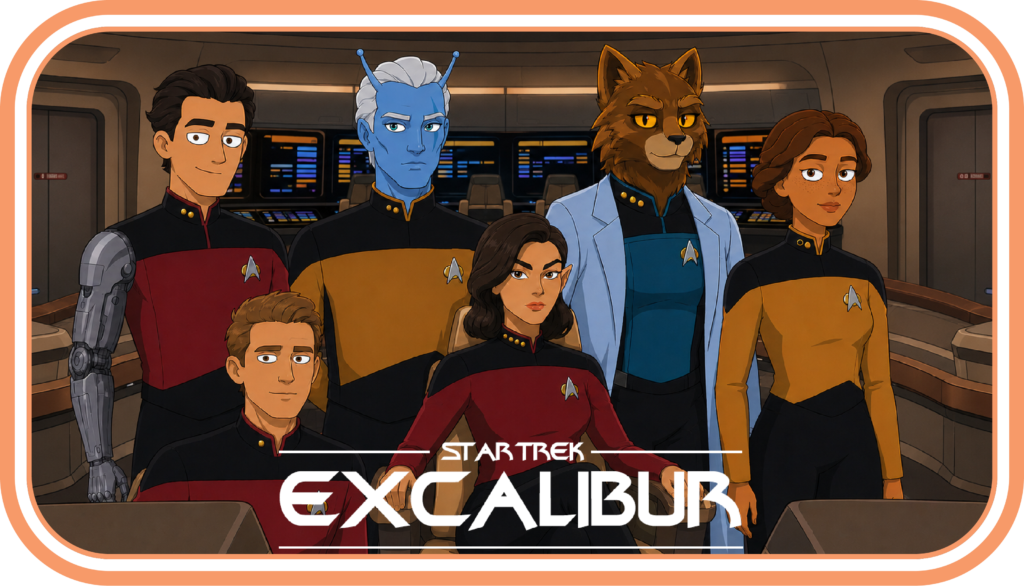
Read on to discover how a group of roleplayers from “Down Under” become the officers on the last voyage of the USS Excalibur on her final mission into the “Shackleton Expanse”, encountering new life and civilizations, including Romulans and Bluegill, in the seemingly endless quest into outer space. Let GM IanHoulihan and his crew guide you to boldly go where the Federation has never gone before in STAR TREK: Excalibur…
First off, feel free to tell us about the person behind the GM screen. Where are you from? What do you do aside from gaming? Alter Egos? Life partners? Family? Where can we interact with you on the internet?
Firstly, it’s an absolute honour just to be considered for this award. I’ve been part of the Obsidian Portal community for many years and being recognised alongside so many talented GMs is genuinely humbling.
Away from the GM screen, I’m a proud dad to five boys (all now 16 or older), partner to the incredibly patient Kerry, and human servant to two Cavoodle fur babies. We call Brisbane, Australia home, and life is usually a balancing act between family, work, gaming, and finding the occasional moment to breathe!
My tabletop journey began back in 1984 when someone introduced me to Top Secret. That one game opened the floodgates. Before long I was exploring Basic D&D, Rolemaster, and eventually the Star Wars Roleplaying Game by West End Games—a game that sparked a lifelong love affair with RPGs. Since then, I’ve played more systems than I can count, including Star Trek Adventures, and was fortunate enough to contribute professionally by writing for Legend of the Five Rings and Genesys under both Fantasy Flight Games and Edge Studio.
Gaming has also taken me beyond the table. I had the privilege of serving as Event Manager for the very first PAX Australia and later running Gen Con Australia in 2008 and 2009—experiences that gave me an even greater appreciation for the incredible gaming community.
When I’m not rolling dice or writing adventures, you’ll probably find me spending time with my family or out on the water paddling Waka Ama—traditional Polynesian outrigger canoeing—which is a fantastic way to clear the mind after plotting the latest campaign twist.
If you’d like to chat RPGs, worldbuilding, or just say hello, you can find me on most social media as @gmhooly. I also hosted The Forge: A Genesys RPG Podcast. While the show is currently on permanent hiatus, I’m always happy to talk shop with fellow gamers online.
The whole design aspect of your campaign is immediately obvious from the introduction to it on the landing page, so let’s start with that. What inspired the design aesthetic, and how did you go about setting it up. What tools did you use, etc.
The design was inspired almost entirely by Star Trek: The Next Generation. Since my Star Trek Adventures campaign is set during that era, I wanted visitors to feel like they’d just stepped onto the bridge of a Galaxy-class starship. The LCARS interface is instantly recognisable to Star Trek fans, so it felt like the perfect way to present information. Rather than simply decorate the page, I wanted the interface itself to become part of the experience, making players feel like they were accessing a Starfleet computer.
To build everything, I use the Adobe Creative Cloud suite almost exclusively. Every panel, button, icon, and graphic element is custom-designed to fit the campaign. Once the artwork is finished, it’s a matter of figuring out how to make it all work inside Obsidian Portal.
The funny thing is that I’m far from being a web developer. My HTML and CSS knowledge is almost entirely self-taught, learned through countless hours of experimentation, breaking things, fixing them, and occasionally celebrating when something finally worked! Whenever I hit a wall, the amazing Obsidian Portal community on the forums and Discord has always been there with advice, ideas, and encouragement.
In many ways, the page has evolved just like the campaign itself. Every new feature taught me a new trick, and every challenge pushed me to learn something new. It’s been a wonderful creative journey that’s still evolving every time I update the site.
Tell us a bit about your players. How long have you been playing together. Describe your typical gaming session. Online or In Person?
One of the things I love most about this campaign is the people around the table. While I have a bit of a rotating roster, there are six core players who have been with me since the beginning. They range in age from 19 all the way up to… me, at 55! It’s a fantastic mix of personalities and gaming experience, from complete newcomers to seasoned veterans, and we have a great balance of genders at the table as well.
We first came together just over a year ago through the Northside Adventure Gamers Association here in Brisbane—a club I helped establish to bring tabletop gamers together. While our regular games happen at the club, we also run additional sessions outside of club nights. Partly that’s because I’m a shift worker and can’t always make Thursdays, but mostly it’s because my players keep asking when the next mission is!
Our regular sessions are played in person every Thursday evening from 6:00 pm until around 10:00 pm. I deliberately structure the campaign like a modern Star Trek television series rather than a collection of standalone adventures. Each “season” consists of around eight to ten interconnected missions, with individual adventures usually unfolding over one to three sessions. That approach lets us tell bigger stories, develop the characters over time, and sprinkle in mysteries and plot threads that might not pay off until much later.
The best compliment I can give my players is that they’re completely invested. They laugh, debate impossible moral dilemmas, celebrate every victory, and occasionally surprise me by solving problems in ways I never expected. As a Game Master, that’s exactly the kind of table you hope to have.
Your BIO page on Obsidian Portal indicates that you are involved in both STAR TREK and PATHFINDER games. Do you have any thoughts on the differences between role playing in Fantasy and SciFi scenarios? Are there any differences in designing your page/campaign? Do you notice any differences in the way people play these two types of game?
I think the first difference people notice is the visual style. I like every Obsidian Portal campaign to have its own identity, so I design each page to reflect the genre and tone of the game. A Pathfinder campaign should feel like opening an ancient tome or a weathered map, while my Star Trek campaign is built around the clean, futuristic LCARS interface from The Next Generation. The campaign page is really an extension of the world the players are stepping into.
From a Game Master’s perspective, though, the biggest difference is scale. Fantasy campaigns tend to be geographically focused. Even if the world is enormous, the adventure usually unfolds within a kingdom, a continent, or a well-defined region. Science fiction opens the door to an almost limitless playground. Every star system can have its own culture, politics, technology, and environment, so worldbuilding becomes galaxy-building. Instead of detailed regional maps, I spend more time creating planetary overviews, sector maps, and notes that help each world feel unique.
I also think the two genres encourage different kinds of roleplaying. Fantasy is familiar—castles, dragons, taverns, and magic are concepts most players can picture immediately. Science fiction often asks players to buy into a specific vision of the future. Even franchises within the genre can feel worlds apart. Star Wars embraces mythic fantasy wrapped in science-fiction aesthetics, while Star Trek leans into exploration, diplomacy, and at least the appearance of scientific plausibility. As a result, Star Trek players often find themselves solving problems through teamwork, ethics, and creative applications of technology rather than simply drawing their weapons.
One of my favourite moments at the table is when the players start throwing around technobabble. They don’t need to be real engineers—they just need enough confidence to say something like, “If we reverse the ocular focus of the tachyon emitter…” and suddenly everyone buys into the moment. Those are the scenes that make Star Trek feel like Star Trek.
System-wise, I enjoy both Pathfinder and Star Trek Adventures immensely, but I’ve found my tastes have evolved over the years. These days I’m drawn to games with lighter mechanics that get out of the way of the story. I still love tactical depth, but I value systems that give players the freedom to be creative and give me the flexibility to say “yes” more often than “check the rulebook.”
Please outline the basic mission of your game aboard the U.S.S Excalibur. Where are you taking your players? What are they experiencing? Are you just travelling and discovering, or is there a firm goal/destination in mind?
At its heart, the campaign is about exploration. The players are the senior officers aboard the USS Excalibur, an aging Constitution-class starship embarking on one final mission before retirement. That premise gives us everything that makes Star Trek special: exploring strange new worlds, making first contact with new civilizations, solving scientific mysteries, and occasionally saving the Federation from threats nobody saw coming.
The campaign is set at the beginning of Star Trek: The Next Generation Season 4, using the Shackleton Expanse as our playground. It’s a fantastic setting because it’s largely unexplored, giving me the freedom to blend established Star Trek canon with original worlds, species, and mysteries while still feeling true to the universe.
Although every mission tells a complete story, there’s always a larger narrative unfolding beneath the surface. Our first season centered on the return of the neural parasites from the infamous Season 1 episode, “Conspiracy.” It began as a series of seemingly unrelated adventures while everyone learned the system, but the clues gradually revealed a conspiracy that had spread throughout the Romulan Star Empire. The season culminated in a classic Star Trek moral dilemma: should the crew forge an uneasy alliance that would leave the Romulan Empire enslaved, or commit genocide against the last surviving members of the Bluegill species to end the threat forever? Watching the players wrestle with that decision was one of the most rewarding moments I’ve ever had as a Game Master.
Now we’re in our second season, and the stakes have become even greater. The crew has uncovered evidence of an ancient race of world-builders whose descendants believe they are the rightful inheritors of the galaxy. Their ambition is nothing less than to rebuild their lost empire and subjugate every civilization across the Alpha and Beta Quadrants. It has become a story of exploration, archaeology, diplomacy, political intrigue, and the occasional starship battle, while still leaving room for those wonderfully strange Star Trek episodes where the crew encounters something no one could possibly have predicted.
That’s really the philosophy behind the campaign. The destination is never just the next planet—it’s the next mystery. Every mission should leave the players asking the same question that has driven Star Trek for nearly sixty years: What’s waiting beyond the next star?
How do you deal with combat situations? You would obviously have ship to ship contact, but I presume you have person to person contact on planet surfaces, etc. Does the STAR TREK game offer different combat systems for each type of contact? Do you use any homegrown systems?
One of the things I really enjoy about Star Trek Adventures is that combat isn’t the centrepiece of the game—it’s simply another tool for telling the story. The system supports both personal combat and starship combat, but both use the same underlying mechanics, making it easy for players to move between away missions, diplomatic encounters, and ship-to-ship engagements without feeling like they’re learning a new game each time.
Compared to many tactical RPGs, combat is intentionally more abstract. Characters move through narrative “Zones” rather than counting squares on a grid, which keeps the action flowing and encourages cinematic thinking over precise positioning. That feels very true to Star Trek. The best moments aren’t usually about eliminating every opponent—they’re about buying enough time to rescue civilians, disabling an enemy ship without destroying it, or finding a creative solution that avoids a firefight altogether.
I haven’t found much need to introduce homebrew combat rules because the system already does a great job of supporting the kinds of stories I want to tell. Instead, I focus on bringing the scenes to life. I design and 3D-print many of our miniatures after creating the characters in Hero Forge, and I’ll often create maps when the scene benefits from a physical representation. While I’m perfectly happy running theatre of the mind, I know some players engage more deeply when they can see the environment and where everyone is standing.
Ultimately, like everything else in the campaign, combat serves the story. If the players can talk their way out of a battle, outwit their opponent with science, or negotiate a peaceful solution, that’s often a far more satisfying outcome than simply winning a firefight. After all, that’s the Star Trek way.
All of your characters seem to have a distinct type of image? Where do you get these from? Are the pictures original artworks? Tell us more.
The artwork has evolved alongside the campaign. In the early days, I used Hero Forge to create sample characters and used those renders as their portraits. They did the job well and helped give every NPC a distinct identity. More recently, however, I’ve switched to AI-generated artwork to create portraits inspired by the style of Star Trek: Lower Decks. (I can almost hear your readers collectively groan at the mention of AI!) For me, though, it’s been an incredibly useful tool. With a campaign featuring hundreds of characters across multiple species, it simply wouldn’t be practical—or affordable—to commission original artwork for every single one.
The important thing is that the portraits aren’t there to replace artists; they’re there to help my players instantly recognise a character and make the world feel more alive. Having a consistent visual style across the entire campaign makes a huge difference to immersion, and AI has made that achievable in a way that wasn’t possible for me before.
That said, if this were a commercial project, I’d absolutely want to work with an artist. There’s no substitute for collaborating with someone who can take your ideas and bring them to life in a truly unique way. But for a private home campaign, AI has allowed me to create a cohesive visual identity that enhances the experience for my players without putting an impossible strain on my wallet.
At the end of the day, whether it’s a Hero Forge miniature, an AI portrait, or a commissioned illustration, the image is there to serve the same purpose: to help the players remember the characters they’ve met and make the universe feel like a living, breathing place.
The campaign seems to have been running for over a year. Have the players/characters remained basically the same throughout or have things changed a lot? How do you feel they (and you) have developed along with the Campaign?
Like many club games, the first few months were a little fluid. The Northside Adventure Gamers Association offers a wide variety of games, so it’s only natural that players occasionally try something different when another campaign catches their eye. By the end of our second mission, though, we’d found our core crew, and they’ve been together ever since.
Looking back, the biggest change hasn’t been the roster—it’s been everyone’s confidence. We were all learning Star Trek Adventures at the beginning, and like any new system there were plenty of moments spent checking rules or looking things up. Now the mechanics have become second nature, which means they rarely interrupt the story. The rules have faded into the background, exactly where I think they belong.
As the Game Master, I’ve evolved as well. Along the way I’ve created player aids, reference cards, and quick-action guides to make the game flow more smoothly. Those little quality-of-life improvements have helped keep the focus on the narrative rather than the rulebook, and I think they’ve made everyone more comfortable trying creative solutions.
The characters themselves have also grown in ways I hadn’t anticipated. Star Trek Adventures encourages players to reflect on their experiences through personal character logs, and those stories become part of their ongoing development. Rather than simply gaining new abilities, the characters evolve because of the choices they’ve made, the people they’ve saved, and the impossible decisions they’ve faced. Their Values change, their priorities shift, and they become more rounded officers because of what they’ve experienced.
For me, that’s been the most rewarding part of the campaign. We started as a group of people learning a new game. Over the past year the players have become the senior staff of the Excalibur, and I think everyone around the table feels that difference.
Who updates your Adventure Logs? Do you all engage in this activity?
I handle the main Adventure Logs, but they’re only half the story.
Before each mission, I’ll write the official mission log in the style of a Starfleet Captain’s Log or senior officer’s report, complete with custom graphics and a portrait of whichever character is narrating that entry. It’s my way of presenting the episode as though it had just aired.
The players then add their own Character Logs as comments beneath the main entry. I absolutely love reading these because they’re written from each character’s perspective. One officer might focus on the ethical dilemma they faced, another on the scientific discovery, while someone else is still annoyed that there wasn’t a Romulan conspiracy facing the crew this episode! Seeing the same events through different eyes adds another layer to the story and often reminds me of moments I’d forgotten had such an impact.
The best part is that Star Trek Adventures actively encourages this style of play. Character Logs aren’t just flavour text—they tie directly into character growth. Players can reflect on how events have changed their characters, revisit or challenge their Values, and connect those moments to their ongoing development. The Adventure Log becomes more than just a session recap; it becomes part of the characters’ personal histories.
It’s one of my favourite features of the campaign because it keeps the story alive between sessions. By the time we sit down for the next game, everyone has already had a chance to step back into character, reflect on what happened, and think about where their officer is headed next.
Have there been any particularly memorable sessions? What happened? Why was it memorable? In what way? Feel free to include comments from your fellow players in this description.
When I asked my players this question, the overwhelming response was simply, “All of it.” As flattering as that was, however, I insisted they give me something a little more specific!
One moment that came up repeatedly was a confrontation deep in the Engineering Section of a derelict Federation Starship with a Romulan officer who had fallen under the control of one of the neural parasites—the Bluegills, for those who remember the Next Generation episode “Conspiracy.” The encounter became a frantic balancing act, with half the crew desperately trying to shut down the warp core while the rest fought the possessed Romulan in brutal hand-to-hand combat. It perfectly captured Star Trek at its best: solving a scientific crisis while trying to survive an impossible situation.
Another favourite was the climax of our first season. The crew discovered a hidden Bluegill stronghold built around an ancient Arconian Gate—a canon piece of Star Trek lore that’s essentially a Stargate. It was there they confronted the Mother, leader of the Bluegills, in a spectacular final showdown. One of the players jokingly suggested that the insect swarms should suddenly have wings. Rather than saying no, I spent some Threat—the Game Master’s narrative currency—to make exactly that happen. The laughter quickly turned into panic, and it’s become one of those legendary “You remember when…” stories that still gets brought up around the table.
Several players also mentioned their first meeting with Morgana, an enigmatic being with powers reminiscent of Q. She has become one of those villains that players love to hate: always manipulating events from the shadows, always seeming to know more than she’s willing to reveal. She’s woven deeply into the mythology of the campaign, and every appearance leaves the crew with more questions than answers.
For me, though, the most memorable session happened only recently. The crew discovered an ancient alien data archive connected to the same civilisation as Morgana and unknowingly activated it aboard a Federation starbase. As the station’s computer systems were slowly taken over, a fragment of the archive infiltrated the Excalibur itself. Suddenly the party was split between two simultaneous crises—half trying to save the starbase while the other half fought to regain control of their own ship.
As a Game Master, those sessions can be terrifying. You’re constantly cutting back and forth between two groups, trying to make sure everyone stays engaged and gets their moment to shine. But that night, everything clicked. Every player had a chance to be the hero, nobody dominated the spotlight, everyone built on each other’s ideas, and the whole table felt completely invested from beginning to end.
Those are the sessions I remember most—not necessarily because of the explosions or the villains, but because everyone around the table was telling the story together. When your players are still talking about those moments several months later, you know you’ve created something special.
Okay, as a last question, we always ask for the GM’s “pearls of wisdom”. What GM insights can you offer the community this month?
If I could leave GMs with just two pieces of advice, they’d be these.
The first is simple: be your player characters’ biggest fan.
That doesn’t mean making things easy. It doesn’t mean pulling punches or handing out victories. It means genuinely wanting the heroes to succeed because their success creates the most memorable stories. I think too many Game Masters still fall into the trap of treating the game as “GM versus the players.” I’ve never found that particularly satisfying.
Instead, I try to say “yes” as often as possible. Sometimes it’s “Yes, and…” Sometimes it’s “Yes, but…” The important part is that I’m looking for ways to reward creativity rather than shut it down. My job isn’t to beat the players—it’s to create situations where they get to do something extraordinary. I want my players to walk away feeling like they just watched the best episode of their favourite TV show, and they happened to be the stars.
The second piece of advice is about preparation.People often ask how I can improvise so much or adapt when the players head off in a completely unexpected direction. The truth is, I rarely prepare locations—I prepare scenes.
A scene doesn’t care whether it happens in a starship corridor, an old Scottish tavern, or an abandoned mining colony. It’s simply an interesting situation with interesting people, a conflict, and a purpose. Once the players decide where they’re going, I look at my toolbox of scenes and ask, “Which one belongs here?”
That approach has two huge advantages. First, the players feel like they’re driving the story because they genuinely are choosing where to go. Second, I get to be surprised as well. Instead of forcing my ideas into a predetermined sequence, I get to discover the story alongside my players. After more than forty years behind the screen, that’s still one of my favourite parts of being a Game Master.
At the end of the day, that’s what tabletop roleplaying is all about. The players don’t remember perfectly balanced encounters or beautifully organised notes. They remember the moments when everyone at the table looked at each other and said, “Did that really just happen?” If you can create those moments, you’re doing it right.
Thank you to the community for making this campaign of the month possible! That’s all for now, join us on our next adventure September 1st, and don’t forget to nominate your favorite campaigns for our next Campaign of the Month!
Campaign of the Month July 2026: Planejammer: Crisis on Infinite Oerths

“Behold, Planar Travelers of the Multiverse! July’s Campaign of the Month has appeared from the cosmic rifts of space and time, revealing “Planejammer: Crisis on Infinite Oerths” and her captain, the multi-award winning Dungeon_Master_Loki. As the intrepid crew of veteran players psychically sail through a culmination of campaigns — over 46 years of games built by a master of the artform — they traverse tales of adventure that go all the way back to the beginning of roleplaying games as we know them. Prepare your mental defenses for a campaign to end all others, unless of course the scattered heroes manage to save us all… again!”

~ Hail, Dungeon_Master_Loki! As a now 4-time winner of Obsidian Portal’s Campaign of the Month (and Campaign of the Year in 2011, and two Silver ENNIES, just to name a few), we have had the privilege of seeing your games unfold since basically the beginning of OP. And now we find ourselves here, at the finale, where surviving heroes of your other worlds cross planar spaces and timelines to join together and fight an all-encompassing evil that threatens all of existence. For those who haven’t had the chance to read all the adventure logs (or those young’uns who weren’t born yet when you started), can you briefly sum up the stories of your previous campaigns that have all lead to this grand convergence?
Each story arc was an individual subcampaign with successive generations of PCs. I’ve summed it up on the OP for Crisis pretty succinctly:
“The Lightbringers relit the sun of Greatspace saving the sphere from T’lann the Vampire Lord.
The Seven Stars managed to defeat Vecna’s bid for Godhood and take down the Engine Consummate before the Illithids could rewrite reality.
The Spelljoined retrieved the Dreamstone and put it out of reach of those who would abuse it.
The Misfits took over the Citadel of the Planes and evidence that Gith may have returned.
The Medicine Show stopped illithid agents surveilling Sigil.
The Parasol Patrol defended the crucial nexus points of Multiverse 19 and assembled the Shuttle of Skuld.
The Planewalker’s Guild gained firsthand knowledge of the Planebreaker and defeated the return of the Whispering Strangler.
Meanwhile in the far future on the other side of The Gap, The Drifters defeated the first appearance of Vecna cultists and Illithids in the Pact Worlds.”
Each of these events aided or foiled behind the scenes machinations of the illithidae leading to the current final act.
~ “Crisis on Infinite Oerths” seems like a massive undertaking. You’re combining multiple game systems, multiple gaming groups, different levels of technology, and what must amount to hundreds of previous storylines and characters. The rules laid out in your wiki seem to cover just about everything. How did you tackle this cosmic-level task and what advice would you give to those who want to do something similar?
Third Party Publishers are a vital rousource, hands down. There is a lot of work in our industry that is just as high a caliber as Paizo and WotC, often done by the same designers. In that ecosystem they can be more adventurous. The modern stuff I run, like Department 7, uses rules from the PF1 version of Bloodlines and Black Magic by Stormbunny Studios for instance. You can find solid stuff for whatever your weird little DMs heart could desire just by finding books you like and locating third party stuff from the same authors.
As to tackling the crazy amount of spatiotemporal detail, each campaign is a chapter with its own major and minor arcs and blood ties to the PCs in the other games. Each one has an increasing amount of source material to draw upon dictated by the actions of their predecessors.
Take notes or convince a player to take notes. Offer Bounties for Adventure Logs or other contributions from players, bonus points for art. Most of the art for this game is by one of my players (including a full tarot deck featuring present and past characters), Syreene (Kenari_Sanura on OP).
Most importantly, take notes. Use that wiki on OP to add stuff you make up on the fly. You can leave yourself notes in the GM section of any wiki page or character.

~ “Crisis” has been running now for about a year, it seems. Have there been any favorite, memorable moments so far?
I polled my players for this one. Here are some of the responses:
When Dinya flew all the way toward 2 different illithids, only to have them sniped by magic users, so Kenari teleported her right in front of a third so she could full attack. Dropped two mythic points to double the damage on the second crit and dealt a total of 156 slashing/cold/holy/warp/axiomatic damage in one turn. Pathfinder just has a lovely way with big-ass numbers.
… having to coup-de-grace the illithid everyone tried so hard to keep alive is a great honorable mention in a dramatic irony sort of way
When we found AU Superman in an illithid prison pod and it turns out he was a Deep-Cut Pelias (of Scarlet Citadel fame) reference
Dimension dooring into a kaiju’s eyeball
Kenari’s reunion with her lost lover Dassam.
Shooting out the beholder’s eye with a dragon pistol due to his anti magical field and then making him go away with a hostile gate.
Turning the whole evil marine tech army swimming in on us into a frozen Giger art with a Holy Ice wall
~ As a professional GM and long-time gamer (all the way back to Chainmail!), you’ve undoubtedly seen some fantastic characters come and go. You even got a chance to game with Nystul, of Magic Aura fame! Which characters were the real stand-outs for you — the ones that really made an impact in your memories and on your stories?
Oswald Lethbridge Smythe-Carruthers, a renegade giff played by Dudley Batchelor (who is no longer with us). Fabulously fun, laid back until it’s time to hit something, and eventually attained his goal of smacking a god when they prevented the ascension of Vecna in the Seven Stars game. A Strength of 22 so he was really good at hitting things.
Kenari Sanura the catfolk jaunter from the Spelljoined and currently at the table. Not only has the character been an endless source of fun but her artwork also has created the look and feel of the Planejammer Campaign. Played by Emily Vittori.
Captain D’artalon Rix played by Randy Eharb (also no longer with us). Fantastic role player who embraced the captaincy and made it truly his own. One of the few players to truly embrace the hero aspect rather than roguish or anti-heros types.
Etsuriko Chi-asson Toraneko the Shou monk, played by Rachel G. Primary cat herder of the party for over two decades. Now ascended and has become a celestial dragon after the player left the table.
And there are so many more after all these years of gaming I’d have to go on for pages.
~ What moments during these campaigns seemed to excite or resonate with your Players the most?
Obviously the big crazy combats, just as with many groups, but also when they put together pieces of the big picture. My plots are obviously complex and I love their glee and satisfaction when they figure parts of it out. This is especially gratifying as the pieces all come together.
~ We can’t wait to see the conclusion of this epic story. Without giving anything away to your players, can you give us any hints about what’s ahead or themes you’d love to explore further? What about campaigns beyond this one?
Crisis will unfold in different ways depending on two factors: Player Actions, and the Tarot Deck. We have a full tarot deck created specifically for the campaign (many of the cards can be seen throughout the wiki) and cards periodically get drawn influencing events so even I don’t know the exact final act.
There will be forays into other continuities including a return to the Weyland Yutani universe and possibly a visit to the United Federation of Planets in another. There will be at least one more visit to Gamma World. This is all known to the players. The rest is top secret for now.
There will be other games that share this omniverse, but they will be on a much smaller scale. I’ll also be playing around with other systems like Tales of the Valiant from Kobold Press, the upcoming Delve from Stephen Radney-McFarland, the upcoming Heretic system from Total PArty Kill Press, and a lot more X-Crawl from Goodman Games.
~ As an author, designer, and teacher, you have already given us many lessons through your campaign pages, your interviews on Obsidian Portal, and your work on various game books that we have had the pleasure to read and to run. When it comes to preparing and playing games, we’ve learned a great deal thanks to your efforts. As GM’s and players, we thank you for it. In lieu of asking for tips and tricks, we’d like to instead ask your opinion on this final question: what makes storytelling with games important?
TTRPGs are, in my opinion, at their best as collaborative storytelling. Stories have been part of life since the cavemen were sitting around fires trying to explain the world. They resonate with something primal in us, and giving players some freedom to help create and develop the world not only takes work off your shoulders but also makes them invested. This is why I love storytelling games the most out of all the options available.

“And with that, travelers, another chapter in an epic saga ends. Stay tuned to this campaign to see how the adventure concludes. Keep an eye on the stars for other gargantuan games and future Campaign of the Month winners. Don’t forget to nominate your favorites (yes, even your own) via our community forums. Happy Gaming!”
Campaign of the Month June 2026: Dungeons of the Multiverse

Come with us and GM Nogame as we explore the lore of the forgotten What Was from the fallen realm of Terra Viss in this month’s Campaign of the Month: Dungeons of the Multiverse
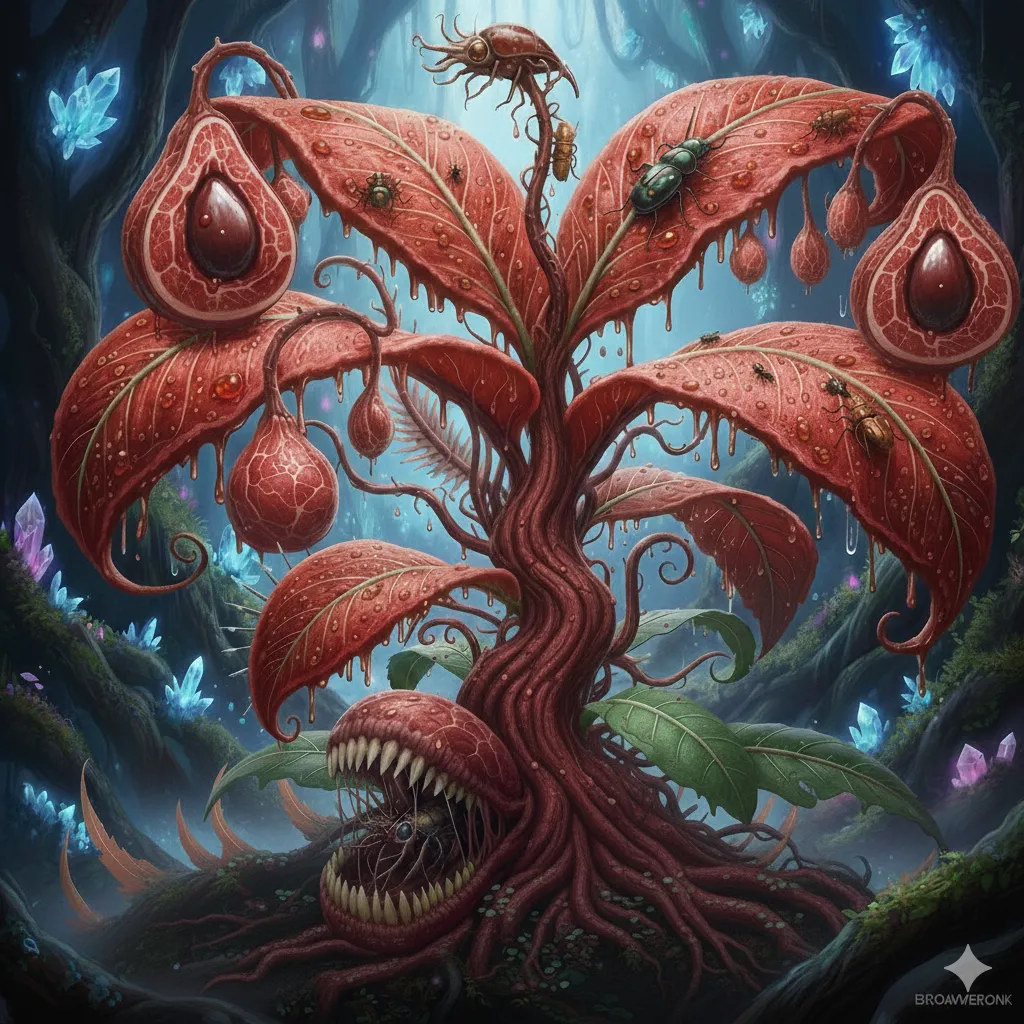
Taking place in Justonia, Dungeons of the Multiverse has been an ongoing campaign for the last year and a half that features long lost technology, perilous puzzles, Bearcrabs, and plants made of meat!
Where are you from?
Our group entirely is from Milwaukee WI, playing locally every week-ish, depending on schedules.
How did you get into gaming?
I was raised in a family which facilitated classic board games which quickly dovetailed into more advanced board games, RPGs, and TCGs.
Do you have any hobbies or projects that you are working on?
Our group has been playing games and other hobbies for nearly two decades and in that time have participated in countless RPGs/games. Current future plans include some warhammer 40k, a continued campaign within the world of Justonia after this arc ends, and some board game design projects. The creative process of all of these things is what we truly appreciate!
What is your favorite snack on game nights or when you are prepping for the next game session?
Dott’s pretzels are hands down the go to snack of choice followed closely by the off brand twizzlers from Kwik Trip (local gas station). Any sort of random gummy candies work too. We are big snackers as a group so pretty much anything goes, other than nasty Doritos! Abomination of chips…
What is your favorite part of Dungeons and Dragons 5th Edition?
Character creation is my favorite part of 5th edition. Flexibility in starting choices fits well with growth potential of the leveled character too. The mastery of each weapon type was a nice change, giving each weapon a reason to take it versus something else.
What would you change about 5th Edition, if anything?
The game itself allows for adjustment, flexibility, homebrew, and overall freedom to do whatever GM/players wish to do! The game is a tool to deliver a storyboard, how you use the tool is up to each member.
What does prep time look like for your typical gaming session?
Prep time for my sessions is all week long and between everything I do. I replay the last session and think of plot hooks the players engaged with or mentioned that they would like to persue. Leaving open opportunities for the players to explore as they see fit, never forcing a direction. It takes a while to create open ended avenues to prepare for the wild adventures.
Tell us a bit about your players:
The play group consists of my brothers, shockingly have known them my whole life, two friends from elementary school age that we grew up hanging out our whole lives, and one friend that I met as a coworker. The whole group has been participating in this friday night gaming going on nearly 20 years now.
Where does your group play?
Week to week this can change but the primary location is my basement since I have established it as a recording studio.
What makes the Big Damn Heroes special?
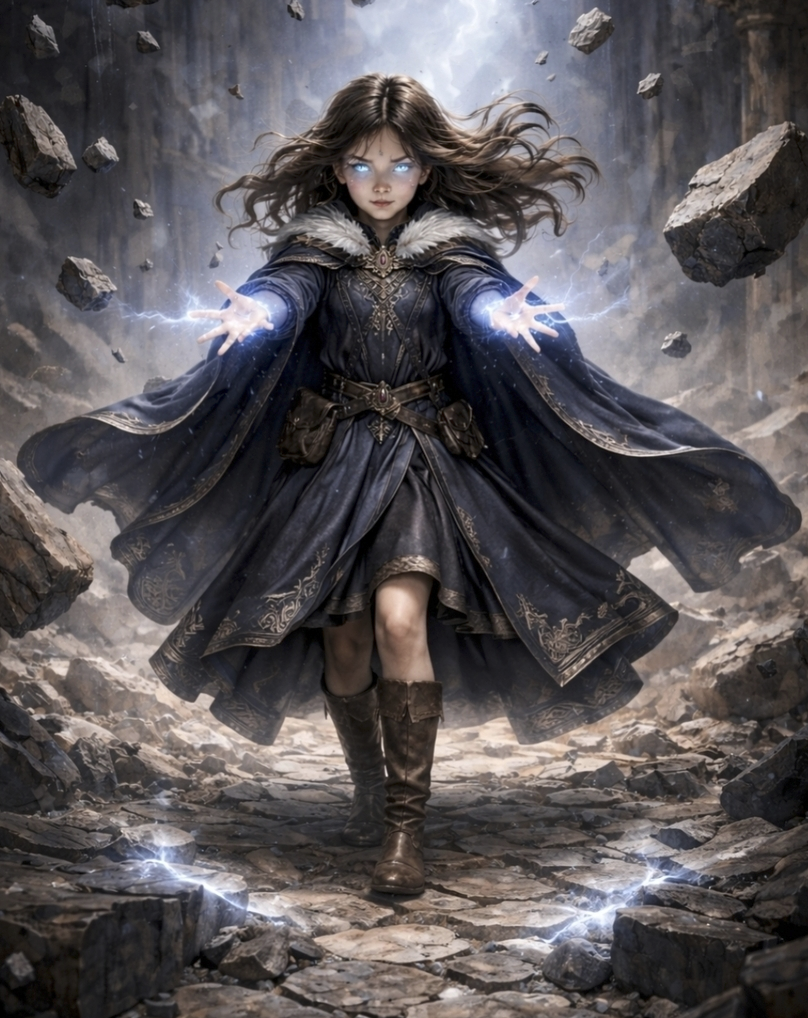
The Big Damn Heroes are a ragtag team of champions from diverse cultures all around Justonia. Assembled together by the High Council to go and save the people from the events happening. This is typical theme of a RPG group, but the difference is that each player has a pivotal role to play in their own story arcs and the combined story. Working with the players to ensure they all are different, important, and vital to the overall story keeps everyone engaged.
What sort of theme does Dungeons of the Multiverse have?
To summarize the feel, I would lean to comedy drizzled with mystery. My play group uses the game as an escape from work, life, problems so it’s a great time to laugh and let loose. The mystery elements let me paint fun and vivid settings and events though. One of my players referred to our campaign as a High Fantasy of Guardians of the Galaxy!
Tell us more about the world of Justonia:
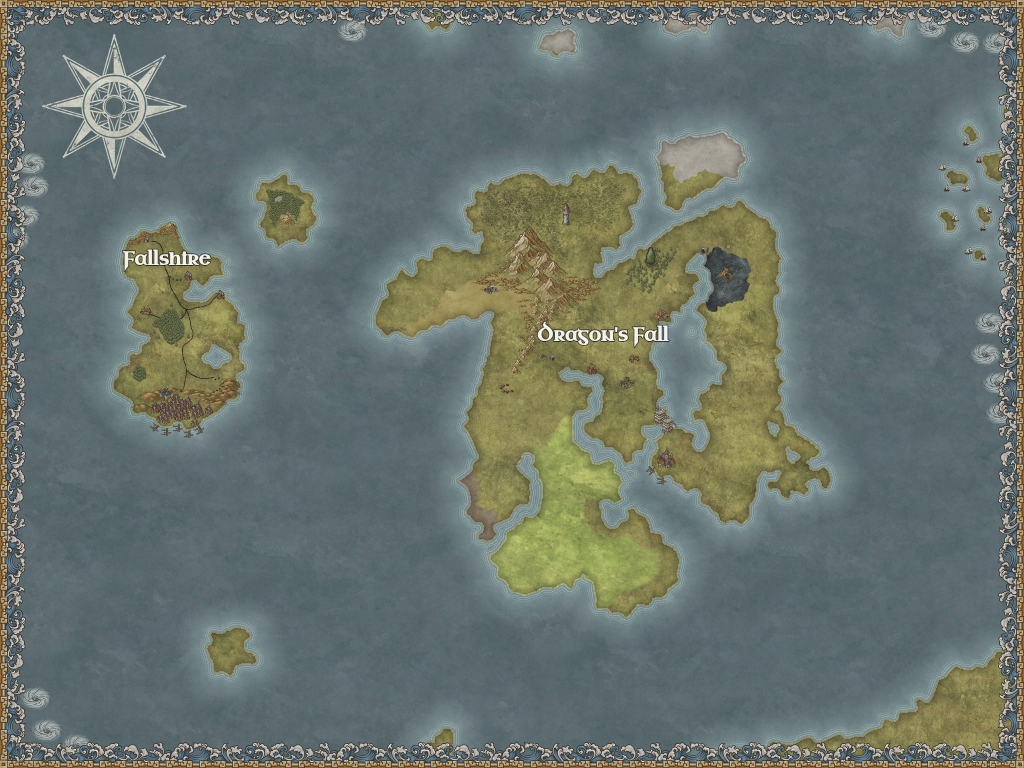
Justonia is a world that we collaboratively developed during a previous campaign of Wicked Ones, each taking turns creating cultures. We are still slowly encountering new things that need to be worked on and fleshed out. The whole theme is a fractured world flooded after an event years prior. The flooding has developed a lot of nautical effects to take a priority in evolution. Lots of shells and aquatic abilities exist throughout the wildlife and species. Magic is a lost training among the world, so wizards are rare if present at all. There are people that have innate gifts and it’s just natural, but not something taught or learned. “What Was” is a lost technology that is how most magical effects are justified within our world!

Vaetmons, Arcane Academy seems to be an interesting place to seek out answers and adventure. Tell us more:
Development of this Academy is something I spent time on since the beginning of this world building. How do I create and tie magic into this world that magic is unknown in? This secluded academy within the sky which has been present since who knows when! It fit the world so well!! Then what makes it special, the library is actually a dimensional rift throughout different pages in a book. Turn to a page in the front book, then enter the rift to transport to a collection of books and knowledge based on the page that was open.
Why Bearcrabs?
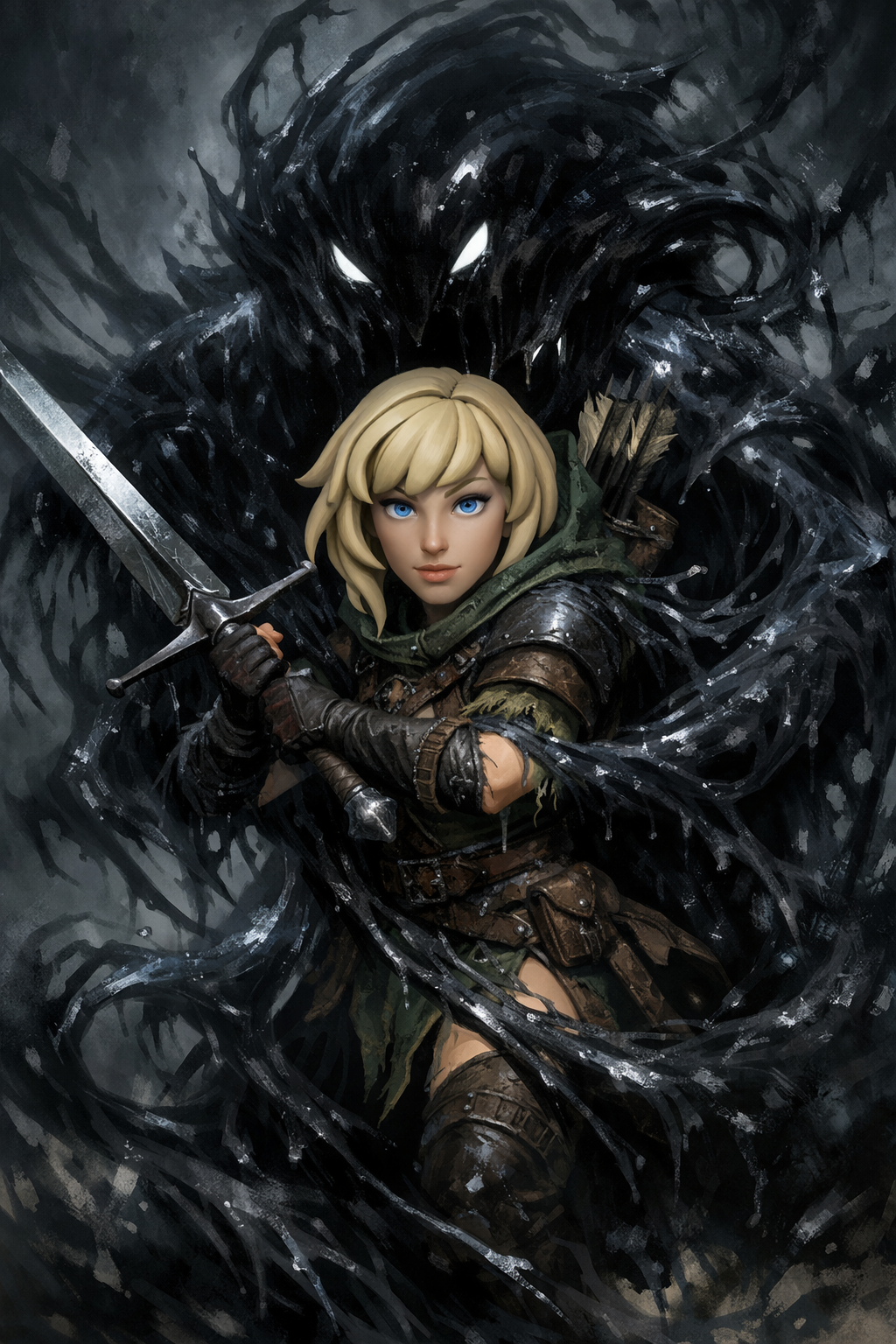
A very common troupe that our group thought was starting adventuring party encounters a bear in the woods. What would that look like in our world?The shelled creature the size of a bear, but with an aquatic feel…Bearcrab. A half sentient culture that are massive, protected creatures.
What is the weirdest form that What Was – Desperation has taken?
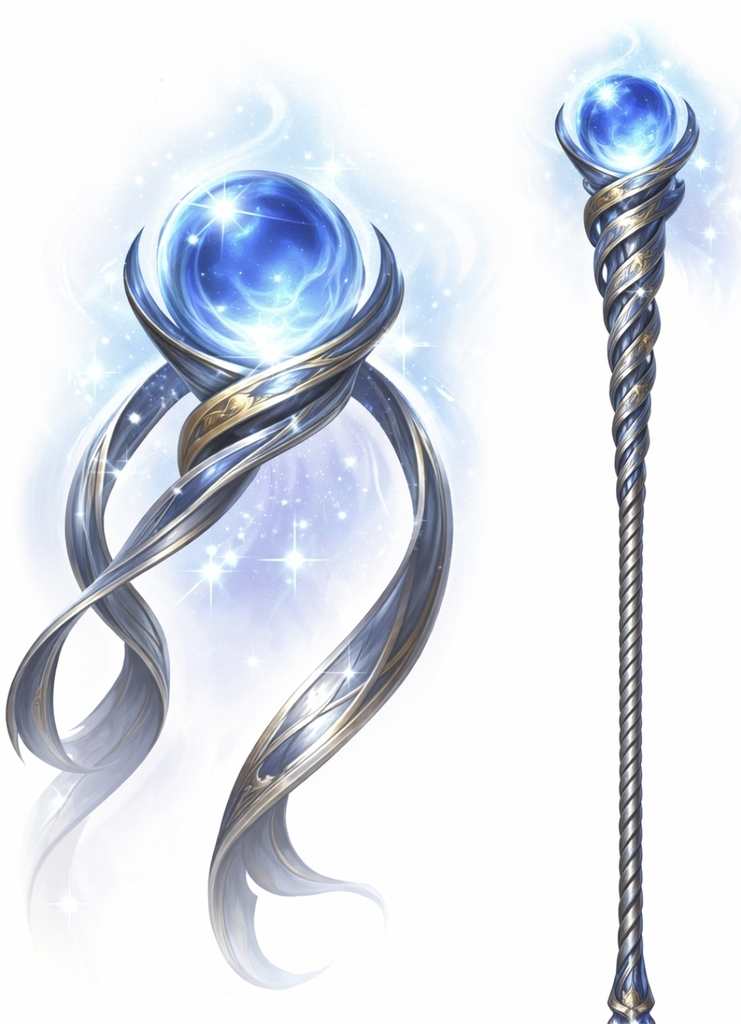
Utilizing it’s ribbon like strands it once formed a greatbow in the need to secure a victory at range. The wielder and it have a pure bond that allows the needs of the wielder take form.
Describe the most memorable moment from Dungeons of the Multiverse so far:
I decided to turn this question over to my playground to get their responses on the matter. The players came back with two events of note. First was my use of Formula D as a tool to facilitate a race the party encountered. I made up some rules and gave the racers new actions they can take on their turn but ultimately played a board game with their D&D characters as the pilots! The second noteworthy event was doing our haunted mansion adventure while utilizing levers from the RPG Dread.
Without giving away too much, can you tell us about some of the adventures that the Big Damn Heroes will face in the future?
The current path the heroes are on will lead them to the last specter, the group is well aware of this. The culmination of the story arc has some mystery elements that will tie pieces of the story together! I am hoping to have some shocked moments and surprises that the players will truly enjoy.
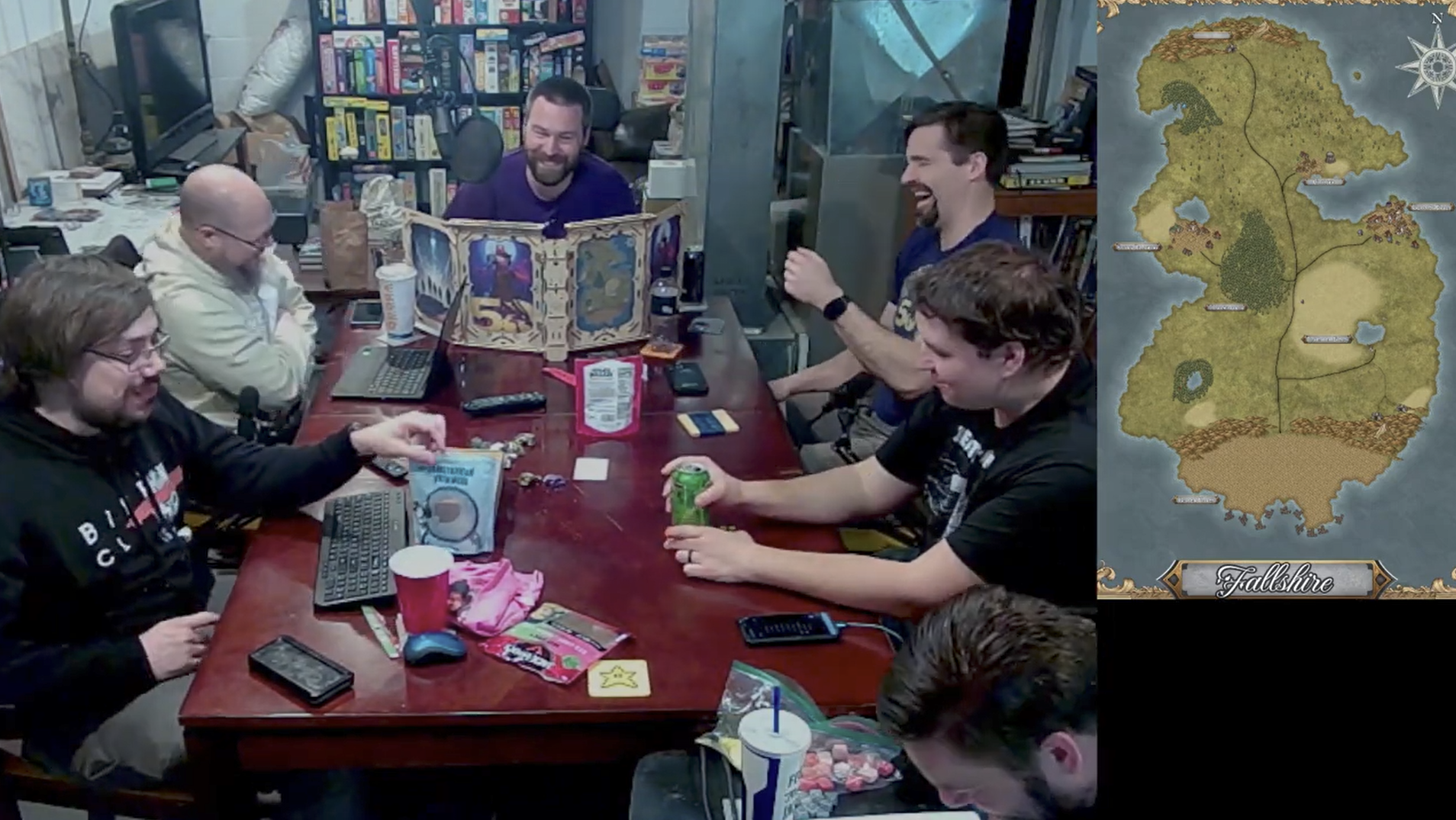
How difficult was it to set up your cameras and microphone to record your sessions, and how much time do you spend editing those videos?
The cameras, microphones, streaming software, and overlays just take a lot of modifications and adjustments to get them to work correctly. As far as editing, we don’t do that! We just are rough, crude, and real. If people don’t like that, I’m sorry!!
Dungeons of the Multiverse has a Youtube channel. How has that experience been?
The channel hasn’t taken off yet, mostly because of Youtube’s algorithms that uploads have to happen multiple times a week to get a priority. Since we have full time jobs that don’t leave us in front of computers to do editing, shorts, or other additional uploads, we just don’t!
How did you hear about Obsidian Portal, and what do you find the most helpful Obsidian Portal feature to be?
I googled campaign tracking services and did my research on multiple options. The options offered on Obsidian Portal fit our needs the most so I tried it, and loved it! The wiki style pages, linkable to each other is what I love the most. Adventure logs, npcs, and other wiki pages do a great job to develop our world and log everything we have done.
As a final question, we always ask for the GM’s “pearls of wisdom”. What GM insights can you offer the community this month?
Listen to your players, take in feedback and ensure the story is collaboratively being told. Just because you’re the GM, doesn’t make it your story! Everyone involved is providing their time and energy, so make sure the appreciation is shown.
Thank you to the community for making this campaign of the month possible! That’s all for now, join us on our next adventure July 1st, and don’t forget to nominate your favorite campaigns for our next Campaign of the Month!
Campaign of the Month May 2026: Wyrms of Airhde

“Ride! Ride for the sapling’s light!
Through thorn and shadow, day and night!
Steel in hand, we swear the vow-
We will not falter now!”
Come with us as we delve into the myriad of mysteries of Castles and Crusades with GM lordrodd in the month’s Campaign of the Month winner: Wyrms of Airhde!

Let’s start with an easy one, all about the GM behind the screen: Where are you from?
Dayton, Ohio USA
What are your hobbies? Are you working on any big projects?
Well, all kinds of tabletop gaming. This includes not only RPGs but board games/war games as well. I have lost track of the number of different RPGs I own and/or have played over the years. I used to run a small game convention in Dayton called FOPcon and I was a player and Game Master in the RPGA for several years, back when it was many different RPGs rather than just D&D and living campaigns. Right now, nothing super big other than working on writing a Castles & Crusades and Amazing Adventures scenarios to run at a local convention here named AcadeCon.
What introduced you to gaming?
I’ve been gaming since the 70’s. My first RPG was D&D when it came out in 1974 that a friend of mine had. I bought the white box and chainmail for myself later. Played many marathon games of Risk back then and went on to include playing many different Avalon Hill games.
What do you like the most about the Castles and Crusades system.
It’s very reminiscent of the old school RPG system I grew up with, yet with a modern touch. The SIEGE system the rules are based around are beautiful in their simplicity and adaptability. While the C&C rules system and mountain of material made it an RPG I knew I would play for a long time, the company, Troll Lord Games, is the reason that without a doubt like C&C will stay at the top of my RPG games. They are very engaged with the community and just down-to-earth nice people.
Are there any downsides to Castles and Crusades that you’ve had to work around?
Not really. I only got into C&C last year after being aware of it for many years. The lore of their published game world, Airhde, is immense, but I have enjoyed getting into it.
Tell us about the world of Aihrde, and your campaign:
Aihrde is the published setting for C&C. It developed out of TLGs homebrew campaign. It is a huge game world with just an insane amount of history and lore built into it. I set my campaign in it because there was just so much available written material and support and it made it easy for me to pick out an area of the world and start stitching together adventures and scenarios in a cohesive way to tell the story that my players and I are telling.
Tell us a bit about your players; how long have you known each other and played together?
I have been playing with them since the early 90’s. They have been playing together somewhat longer than that. We played lots of board games but always come back to RPGs. Call of Cthulhu is a system we play on and off. One of the other players is just in his element when he runs a campaign for us. Making props and stuff like that. I had a character in one of the games that was a pilot and he created a period accurate pilot license for the character. Our most recent games before we started playing C&C were Twilight 2000 and Star Trek Adventures. The plan had been to alternate ST:A with C&C as we like both the Star Trek universe and fantasy settings. We are enjoying C&C so much right now that ST:A is on the backburner.
Where do you play?
We play in person, although during the pandemic we played remotely. One of the players has a nice big room and table and we usually play at his house.
Your adventure logs evoke a sense of camaraderie and adventure. How important are those themes to the feel of the campaign?
We are all old, LOL, and the initial reasoning for the logs was just so we wouldn’t forget where we left off. Because many of us are creative types I think it’s only natural that it becomes more of an outlet for those creative juices.
Are there other pertinent themes?
With one of the players playing a paladin and we have a knight in our groups, one of the themes that has more naturally emerged is one of serving justice and goodness. One of the things I like about RPGs is how various themes and elements come out during play that you could never plan for and end up enhancing the experience. Back in the mid to late 80’s I was stationed in then West Germany in the army. We would play various RPGs in the barracks. I was running two different D&D campaigns then with the same group of people. One was a “good aligned” campaign and in the other the characters were all evil alignment. It was remarkable to me how the players would either be arguing or untrusting in the one and full of cooperation in the other. It was just a natural outcome of the different themes but seeing them occur side by side was enlightening.
The video clips you’ve used for your NPCs are very innovative. What inspired you to do that?
Whenever I create NPCs to add to a game they are usually based on some character or other that I recently enjoyed from a book I was reading or a movie/show I was watching. I’m also a geek and a very visually oriented person. I like play around with AI. I would never use AI to create something to sell but using it to enhance the story I’m trying to tell or the scene I’m trying to set just seemed like the next step in things I do to add immersion to a game I’m running. I like to use my NPCs to help tell the story and add the players experiences with their own characters. I have also used them to help draw out the more reserved players at times to help them get more invested in the story.
You are using the bounties page, and it looks quite nice. What is your favorite aspect of the bounty system that you’ve built?
The C&C game has a variant Hero Point rule. In other games I’ve run I’ve always tried to add some mechanic that may allow the player to overcome a string of bad dice rolling. I modified the Hero Point rules to match what I wanted, and the Bounties page seemed to be the best way to implement them.
Has it helped with encouraging your players to contribute to updating wiki pages and POV logs?
Yes it has. Often on the day we are playing I’ll see an adventure log post or something else hit the site earlier in the day. They like their Hero Points (and burn through them quite often).
Music shows up frequently in your adventure logs; is music an important thematic element in your sessions as well?
I like immersion in my games. Even when playing boardgames at home I usually have some type of theme appropriate music of movie playing in the background. I even have playlists for different genre of games. In RPGs, for many years, I’ve used Syrinscape for background sounds and in combats to enhance the feel. In the combat sound sets there is always a Wilhem Scream option. In our current game during fights, I hit that when the players dispatch a bad guy/monster. I’ve noticed them waiting for the sound after they tell me how much damage they’ve done. Once again I’ve used AI to help in creating some music and songs. We have a main theme on the homepage, and I’ve liked using songs to recap some of the sessions. I usually write what the recap is and then convert that into a lyric. Then I will translate that lyric into a Chaucerian Middle-English lyric with a heroic couplet. I pop that lyric into a song generating AI to make a song using medieval style instruments. I’ve been having fun with it. I may change up musical styles at some point. Throw in some modern music here and there.
What does prep time look like for your typical gaming session?
I usually over prepare. We never get as far as I think we will. I normally do a read through before starting an adventure to get the overall story in mind and decide what, if any, changes need to be made to fit the campaign. During the week I’ll take some time in the evenings to read up on the upcoming encounters. If I have the time I will create images of the descriptions of locations or encounters. Some of them I will animate. I normally text those to the players during the game right after or right before I read the description.
What inspired you to create and run Wyrms of Airhde?
Like I mentioned earlier, I wanted to run a C&C game and the Aihrde setting was a great big sandbox of a world to play in. Earthwyrms is the name of our gaming group, and we often just call ourselves Wyrms. I’ve used Obsidian Portal for many years running many different games. I looked at my account earlier today and the first game I used OP with was the Serenity RPG back in 2010. It’s nice having that historic record of past adventures.
Are there any specific adventures that you are particularly looking forward to that you can give us a glimpse of, without ruining the surprise for your group?
The adventure I’m running is Beneath the Canopy of Green, which is a grouping of semi connected adventures. It is published by Troll Lord games. I have a side adventure that is tied to one of my NPCs in which hints of have already been dropped here and there during different adventures. When the main part of that starts depends on when it fits best into the story. I’m looking forward to that happening.
You’ve been a member of Obsidian Portal for eighteen years now. What keeps you coming back to Obsidian Portal?
As I spoke to above, I like immersion in my games and OP helps with that. I like how I can revisit older campaigns and reminisce on the adventures had and stories told.
What do you find the most helpful Obsidian Portal feature to be?
There are many things. I have enjoyed the development of OP over there years. I find it easier now to set up and manage the campaigns that I used. That is probably a combination of your enhancements and my familiarity with the tool. Feature wise I like the Adventure Logs the most. I like the Character/NPC section, Maps, and the new Bounties page is something I can see using in any game I am running. That really encourages involvement from the players, which is great to see.
As a final question, we always ask for the GM’s “pearls of wisdom”. What GM insights can you offer the community this month?
Something that took me some time to learn over the years is this, players will get out of a game what they put into it. As a GM you create the environment to tell a story and your players are story tellers with you on that journey. I’ve had players whose biggest enjoyment is just the gathering of friends, and the game is second fiddle. Don’t get offended if a player or players don’t seem to be putting in the effort with their characters that you put into the game. This is a hobby and is never supposed to feel like work. I put the effort I do into running a game because I enjoy that. When it starts to feel like work or if you start to feel like you’re not being appreciated for the effort, then you are putting in too much effort. Be adaptable. If something is not being enjoyed by the players be willing to switch up or try something different. Another thing I’ve learned is that I am a control freak. I had a problem railroading players down the tunnel of the game/story I wanted to run. Once I learned to set up the sandbox of the game or scenario it’s much more liberating to let the players guide where the story goes and keeps me thinking on my toes. At my age the more thinking I can do the better. If the story you want to tell is not the story they want to tell let that guide you into telling a story that everyone wants to tell.

Thank you to the community for making this campaign of the month possible! That’s all for now, join us on our next adventure June 1st, and don’t forget to nominate your favorite campaigns for our next Campaign of the Month!